
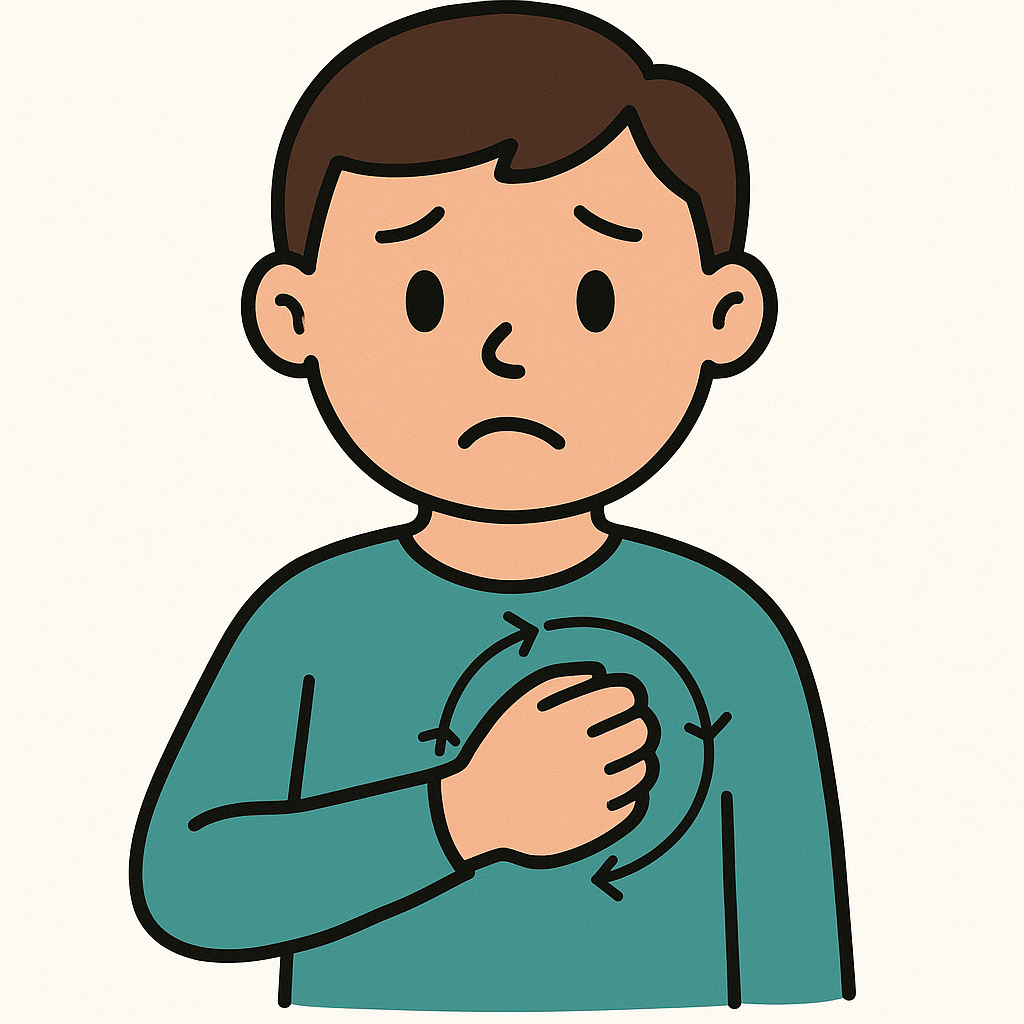
Makaton and Saying Sorry
Nurturing empathy, not just expression — finding the right time to introduce sorry.
I’m sometimes asked: “Why is sorry in Stage 3 of the Makaton Core Vocabulary?”
It’s a great question — and one that often comes from people who feel it should appear earlier. After all, sorry seems like such a simple, everyday word — one we use often with young children. But understanding what sorry really means is far from simple, and that’s exactly why it’s placed where it is.
What Does Sorry Really Mean?
The sign for sorry might look simple, but the concept behind it is anything but.
To truly understand sorry, we need to understand that:
Our actions have consequences for others.
Those consequences might make someone else feel sad, hurt, or cross.
We can help repair that by expressing remorse.
That’s a lot of abstract thinking — and it takes time to develop.
How the Understanding of Sorry Develops
Research shows that understanding regret and remorse grows gradually through childhood:
Around age 4–5: Children start to grasp that apologies express emotions like guilt or remorse, and they may respond positively when someone says sorry.
Around age 5: They begin to feel their own sense of regret — for example, feeling sad when a choice doesn’t work out.
Between ages 5 and 7: This self-awareness becomes stronger; children can reflect on their own actions and feel genuine regret.
Around age 6: Many begin to show a clearer sense of remorse.
By around age 7: They can experience relief and remorse for themselves — though understanding those emotions in others may not be solid until closer to age 9.
A big part of this process is developing what psychologists call theory of mind — realising that other people have thoughts and feelings different from your own. This skill usually starts to emerge around 4 to 5 years old and continues to mature well into later childhood.
So, while “sorry” appears early in the Makaton Core Vocabulary, that doesn’t mean it’s ready to be understood or used meaningfully by every learner at that stage.
Why We Need to Be Cautious with Sorry
It’s easy to fall into the habit of prompting someone to say sorry after an incident.
But if the concept isn’t yet understood, the sign or word can lose its meaning and simply become something to copy.
Sometimes, if sorry is prompted too soon, it can also feel uncomfortable or confusing for the person using it.
Instead of helping them learn how to make things right, it might start to feel like something they have to do when they’re “in trouble.”
When (and How) to Introduce Sorry
It can help to pause and notice what the person already understands before bringing in the sign or symbol for sorry.
Are they beginning to recognise emotions like happy, sad, cross and hurt?
Can they see that other people have feelings too?
Do they understand simple cause and effect — like “You knocked the tower, it fell down”?
If those early emotional foundations are in place, the idea of sorry will start to make more sense.
You can weave it in gently and naturally, through everyday moments that have real meaning. For example:
“Oops, I spilt the juice — sorry!”
“Oh no, I bumped you. Are you okay? Sorry.”
Personally, I never insisted that my own children used the word or sign for sorry. Instead, I modelled it myself when it felt natural and genuine. Over time, I watched for those small but important signs that they were beginning to understand — moments of empathy, awareness, or care — and that’s when I began to introduce the concept more deliberately.
By seeing and hearing sorry used with real feeling, learners begin to associate it with care and connection, rather than correction.
A Better Approach
Rather than focusing on getting someone to say sorry, it can be more meaningful to guide them towards repairing the moment.
That might look like noticing what’s happened and finding a way to make it better together:
“You knocked his bricks. Let’s help rebuild.”
“She’s sad. Let’s check she’s okay.”
This gentle, supported approach models empathy and responsibility in a way that feels safe and real — and when the time is right, the sign for sorry will grow naturally from that understanding.
Final Thoughts
The sign for sorry sits in Stage 3 because it’s a social word — but it needs emotional understanding behind it.
So before you teach it, build those early experiences of emotions, empathy, and awareness of others.
That’s how sorry becomes more than a sign — it becomes a genuine act of connection.
Tags: