
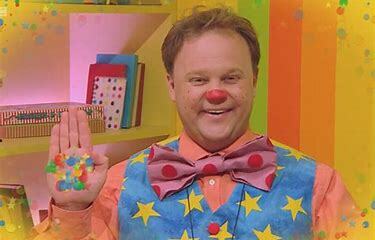
Why Mr Tumble Matters
If you’ve ever had a toddler in the house, chances are you’ve crossed paths with Mr Tumble. Bright waistcoat, spotty bow tie, a bottomless spotty bag – and that famous cheek wobble. Mr Tumble has become a familiar figure in living rooms up and down the country since he first appeared in 2002.
But behind the slapstick humour and silly voices is something truly special. For many children – especially those with additional needs – Mr Tumble isn’t just a TV character. He’s a friend, a teacher, and sometimes the very first step into communication.
A Gentle Introduction to Signs and Symbols
What makes Mr Tumble stand out is his use of Makaton signing. As he sings, chats, and plays, he also signs key words. For children who struggle with speech or are just finding their voice, this can be a lifeline. Parents often share stories of their child’s very first sign – “more,” “drink,” “Mummy” – copied straight from Mr Tumble. Those little handshapes often open big doors, giving children confidence and families a way to connect.
Belonging on Screen
There’s something wonderfully affirming about seeing signing on mainstream TV. Children who use Makaton get to see themselves represented, and their siblings and friends learn alongside them. It’s inclusion without fuss or fanfare – just woven naturally into the fun. For many families, that sense of belonging is priceless.
Why Parents Appreciate Him
Mr Tumble’s clownish style is full of colour, music, and fun – the kind of energy that children can’t resist. But what parents quickly come to appreciate is that he’s not just filling airtime; he’s teaching children to communicate, showing kindness, and making learning joyful. And, importantly, he gives parents a way to join in too – many mums, dads, and grandparents pick up their first Makaton signs thanks to him.
A Lasting Legacy
It’s hard to believe Mr Tumble has been on our screens for over 20 years. Generations of children have laughed, signed, and sung along with him. And while TV characters come and go, his impact has been lasting. He’s helped thousands of families find their first steps into communication – and that’s something truly special.
Tags:
I’ll never forget supporting a young lad who kept touching his mouth — his sign for please. He was becoming more and more frustrated with me, because no matter how hard I tried, I couldn’t guess what it was he wanted.
I was methodical in my approach to working it out. Was it food? A drink? Something to do? But nothing seemed right. He became upset. I was frustrated too, and I left that interaction feeling like I’d let him down.
When people in the UK start learning Makaton, one of the first questions I’m asked is: “How do you sign please and thank you?”
It’s no surprise. In Britain, manners are often treated as non-negotiable. From an early age, children are encouraged — even reminded endlessly — to add a “please” when asking for something, and to never forget a “thank you” afterwards.
But here’s the question: are please and thank you really essential to communication? Or are they more about culture than function?
Communication vs. Manners
At its heart, functional communication is about being able to express needs, wants, feelings, and ideas. It’s about clarity: “I’m hungry.” “I need help.” “Stop.”
Manners, on the other hand, are cultural extras. They soften requests, signal respect, and help us fit into social norms — but you can survive, thrive, and connect without them.
For people learning Makaton, especially children or adults with communication difficulties, there’s a risk that manners are prioritised before essentials. Imagine a child who can say please but can’t yet say toilet — one is nice, the other is vital.
Politeness in British Culture
In the UK, politeness is deeply tied to identity. A missing “please” or “thank you” can be interpreted as rudeness, and parents often feel embarrassed if their child doesn’t use them.
This cultural weight sometimes spills into Makaton teaching. Families may feel pressured to teach manners early, even when their child is still working on the basics of communication. But insisting on “please” and “thank you” can add unnecessary stress, both for the learner and the parent.
But here’s the challenge: many children learn please and thank you before learning the signs for the things they actually want. This can turn into a lifelong guessing game.
I’ve seen children, teenagers, and adults sign please to make a request — but without signing the specific item. Familiar family members might be able to guess from context that please means “yogurt” or “biscuit” or “music,” but outside of that context it’s much harder. Often, the person asking ends up with something completely different to what they wanted.
Looking Beyond the UK
Around the world, manners are expressed in very different ways:
-
In some cultures, gratitude is shown with a smile, a nod, or by sharing food.
-
Requests are made more polite not by adding a word like “please,” but by changing tone, posture, or phrasing.
-
Within families, saying “thank you” may even feel strange or unnecessary — because care and sharing are assumed, not something to thank for.
These differences remind us that “please” and “thank you” aren’t universal rules of politeness. They’re cultural markers — important in some places, less so in others.
What Really Matters in Makaton
For Makaton users, the priority should always be functional communication — the signs that empower someone to express themselves, make choices, and stay safe.
So while manners are important in UK culture, teaching them too early — before someone has the functional signs they need — can unintentionally create barriers instead of building bridges
-
Eat and drink matter more than please.
-
Stop and help matter more than thank you.
-
Toilet or pain can be life-changing.
Manners can come later, when the essentials are in place. And if someone never uses “please” or “thank you” in Makaton? That doesn’t make their communication any less valid.
Closing Thought
“Please” and “thank you” are lovely signs to know. They can bring warmth to conversations and reflect cultural values of politeness. But they are not the foundation of communication.
For people learning Makaton, what matters most is being understood, having choice, and being able to connect. Manners are the icing on the cake, not the cake itself.
Tags:
Now and Next
Helping with transitions
How “Now and Next” Helps with the Back-to-School Transition
As both a parent of a Makaton user and a Makaton tutor, I see “Now and Next” from two sides. At home, it’s a tool that helps our mornings run more smoothly and keeps my child calm.
In my professional role, I see how powerful it can be for many children, young people, and adults who benefit from extra communication support.
“Now and Next” boards are particularly helpful at this time of year because they:
Explain what will be happening next – giving a clear visual of what’s coming helps reduce uncertainty, especially when language alone isn’t enough.
Support understanding – the visual information reinforces what has been said, so even if a person doesn’t fully process spoken words, they can still follow the routine.
Act as a reminder – not just for theperson, but for us as parents and carers too. Having the board prompts us to keep repeating what’s going to happen, which gently prepares the person for a change or transition.
This visual structure is key when a person has language difficulties, struggles with transitions, or simply feels anxious about what’s coming next
What “Now and Next” Means for Us
The idea is simple:
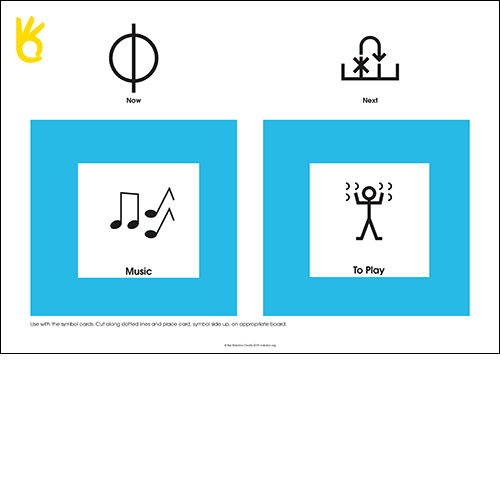
- Now shows what is happening right this minute.
- Next shows what is coming immediately afterwards.
This two-step structure reduces uncertainty, supports transitions, and makes routines predictable.
At home, for example:
- Now: Get dressed
- Next: Eat breakfast
That clear sequence works far better for my child than vague instructions like “get ready.”
Why We Use “Next” Instead of “Then”
When I first heard about “Now and Next,” I wondered why people didn’t just use “First and Then.” After all, it often feels more natural when we’re speaking.
But both in my own home and through my work, I’ve learned why “Now and Next” is usually the better choice:
Now vs. First – Now is immediate and easy to understand — it simply means what’s happening right this second. First can be trickier, because it implies a sequence: to understand first, you also need to understand that something else will follow later. That’s a more complex concept and takes more processing.
Next vs. Then – Next is concrete — it means the very next thing. Then is more abstract — it might mean later, or even refer to the past (“back then”).
For many learners, Now and Next is easier to grasp because it makes both the present and the immediate future crystal clear. Then can come later, once someone is developmentally ready to manage longer sequences.
Growing Into “Then”
Once someone is secure with Now and Next, you can start to expand:
- Now: Reading
- Next: Playtime
- Then: Lunch
That extra step can help build a broader understanding of time, but only when the person is ready. At home, I’ve found the same applies — slow and steady is best.
Sometimes Just “Now” is Enough
Not everyone needs “Next.” Some children and adults live very much in the present and benefit most from just knowing what is happening now. I’ve seen this with my own child at times, and with learners in my sessions. And that’s perfectly valid.
How Should I Use a Now & Next Board?
A “Now and Next” board works best when it’s simple, consistent, and visual. Here’s how to use one effectively:
Setting it up
-
Keep visuals simple and familiar – use images, symbols, or photos the person already recognises
-
Place two symbols on the board: one for what the person is currently doing (Now) and one for what will happen immediately afterwards (Next).
-
Motivate through sequencing – after a less-preferred activity, use the Next column to show something positive and engaging.
Introduce the Activity
-
Tell the child: “Now it’s ____, next it will be ____,” while pointing to the symbols. Keep the board in clear view at their eye level so they can check it whenever they need to.
Follow Through
-
Be consistent and keep it reliable – if the board shows “music is next,” ensure that’s the next activity. Consistency helps the person feel confident and reassured.
Transition to the Next Activity
- When an activity ends, say: “____ has finished.” Encourage the person to take that symbol off the Now column.
- Prepare for change – update the board as soon as you know a transition is coming, so the person has time to adjust.
- Move the symbol from the Next column into the Now space, then add a new activity into Next. Repeat together: “Now it’s ____, next it will be ____.”
- Gradually increase independence – as the person becomes more confident, let them move the symbols themselves or help set up the board. This gives them ownership, builds independence, and helps them feel more in control of their day.
The Resources That Helped Us
As a Makaton premium member, I’ve found the free resources invaluable:
- The Now and Next template (free to download)
- The Back to School Now and Next resource (also free)
These are simple, practical tools that help smooth the transition back to school.
For even more flexibility, there’s the Now and Next template with over 40 symbols and their corresponding signs for common everyday activities, available from the Makaton shop for just £3.70. I recommend this a lot in my tutor role, and we use it at home too. Find it at Makaton.org
But I also know that not everyone has access to membership or can afford to buy extra resources. If that’s the case, there are still lots of ways to make your own:
-
Draw simple Now and Next symbols – basic sketches work perfectly. You don’t need to be an artist; it’s about communication, not perfection.
-
Use photos – take pictures of your child’s own belongings or familiar places (for example, their coat, toothbrush, or the school gate).
-
Use magazine cut-outs or printed images – anything clear and recognisable will work.
-
Involve your child – let them help choose or draw the pictures, which can make them more engaged with the process.
The most important thing is that the visuals are meaningful to the person using them. Whether that’s shop-bought symbols, hand-drawn pictures, or family photos, what matters is that they help communicate clearly what is Now and what is Next.
Final Thoughts
“Now and Next” has been a game-changer for me, both as a parent and as a tutor. It takes something that can feel overwhelming — transitions and routines — and breaks it down into small, manageable steps. Whether someone needs just Now, Now and Next, or is ready to expand to Now, Next, and Then, the approach adapts to them. As the new school term begins, this simple tool can make daily life calmer, clearer, and more predictable — for children and for families too.
Tags: