
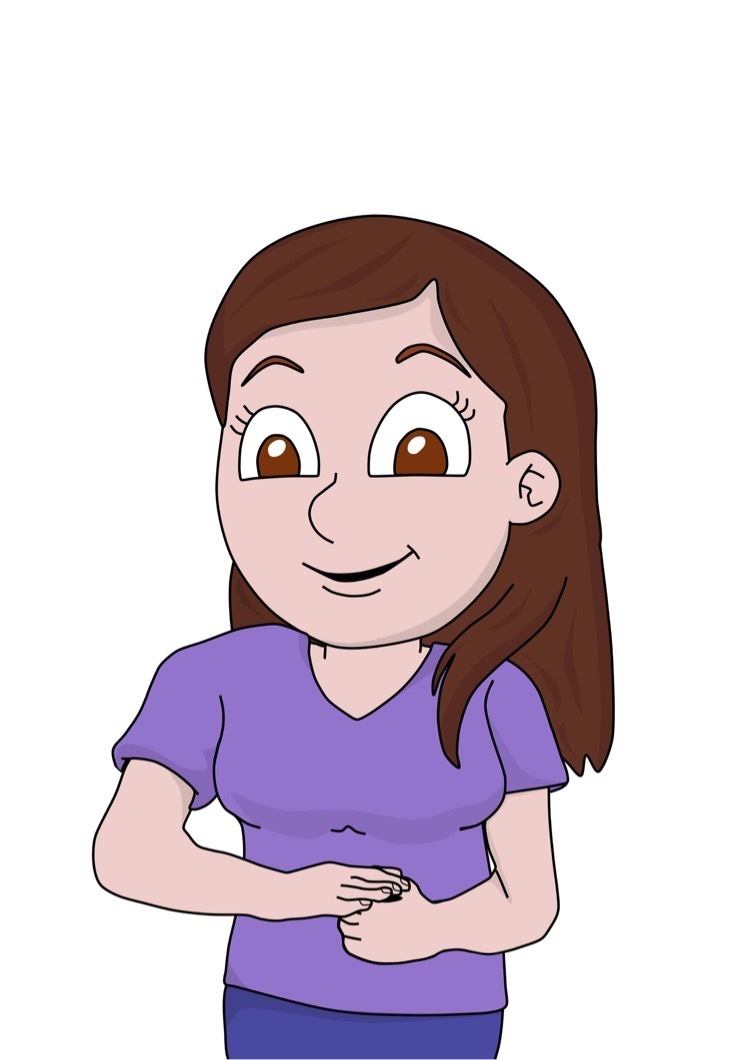
“More” is one of the most motivating and empowering signs you can teach in Makaton. Why? Because it gets you something you like.
Food, drink, music, tickles, bubbles — the sign for more can unlock them all. For many people, it’s one of the very first signs or symbols they’ll use, and it often brings huge excitement when they realise “I can make something happen!”
Why More is Motivating
-
It gives control — the learner can tell you they want something again.
-
It works across settings — at mealtimes, in play, during songs, in therapy.
-
It’s rewarding — using the sign leads directly to something enjoyable.
That combination makes more a very powerful early tool for communication.
The Caution with More
Because more is so powerful, there’s a risk it gets used too broadly. If we’re not careful, a Makaton user may begin to think that a specific thing is actually called “more.”
Here’s an example I often use: yoghurt.
If every time someone finishes a yoghurt and asks for more, we hand them another pot straight away, they may begin to think yoghurt is called more. Instead of learning the separate sign for “yoghurt,” they’ll just rely on more as the label.
How to Use More Effectively
-
Pair with the specific item: Use more alongside the sign or symbol for the item. e.g. “More yoghurt,” “More bubbles.”
-
Model variety: Show that more can apply to different things — food, play, music, activities.
-
Celebrate, but extend: Acknowledge their request for more, then model the item too.
-
Introduce new vocabulary gradually: As their signing grows, shift focus to the specific items while keeping moreas a useful support.
Closing Thought
The sign and symbol for more are highly motivating, and for many people they’re the very start of real communication. Used well, they teach someone that their voice matters — that what they say can change what happens next.
Just remember to balance it. More is a brilliant stepping stone, but it’s not the whole journey. By pairing it with other signs and symbols, you’ll help a Makaton user build a richer, more accurate vocabulary — one yoghurt pot at a time.
Tags:
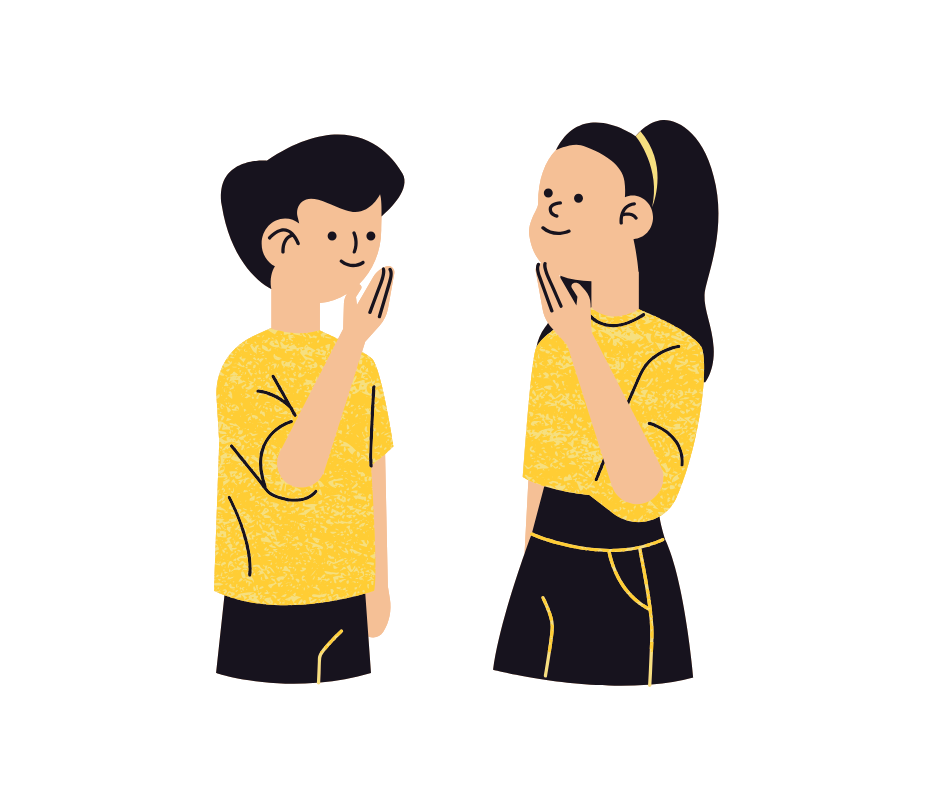
I’ll never forget supporting a young lad who kept touching his mouth — his sign for please. He was becoming more and more frustrated with me, because no matter how hard I tried, I couldn’t guess what it was he wanted.
I was methodical in my approach to working it out. Was it food? A drink? Something to do? But nothing seemed right. He became upset. I was frustrated too, and I left that interaction feeling like I’d let him down.
When people in the UK start learning Makaton, one of the first questions I’m asked is: “How do you sign please and thank you?”
It’s no surprise. In Britain, manners are often treated as non-negotiable. From an early age, children are encouraged — even reminded endlessly — to add a “please” when asking for something, and to never forget a “thank you” afterwards.
But here’s the question: are please and thank you really essential to communication? Or are they more about culture than function?
Communication vs. Manners
At its heart, functional communication is about being able to express needs, wants, feelings, and ideas. It’s about clarity: “I’m hungry.” “I need help.” “Stop.”
Manners, on the other hand, are cultural extras. They soften requests, signal respect, and help us fit into social norms — but you can survive, thrive, and connect without them.
For people learning Makaton, especially children or adults with communication difficulties, there’s a risk that manners are prioritised before essentials. Imagine a child who can say please but can’t yet say toilet — one is nice, the other is vital.
Politeness in British Culture
In the UK, politeness is deeply tied to identity. A missing “please” or “thank you” can be interpreted as rudeness, and parents often feel embarrassed if their child doesn’t use them.
This cultural weight sometimes spills into Makaton teaching. Families may feel pressured to teach manners early, even when their child is still working on the basics of communication. But insisting on “please” and “thank you” can add unnecessary stress, both for the learner and the parent.
But here’s the challenge: many children learn please and thank you before learning the signs for the things they actually want. This can turn into a lifelong guessing game.
I’ve seen children, teenagers, and adults sign please to make a request — but without signing the specific item. Familiar family members might be able to guess from context that please means “yogurt” or “biscuit” or “music,” but outside of that context it’s much harder. Often, the person asking ends up with something completely different to what they wanted.
Looking Beyond the UK
Around the world, manners are expressed in very different ways:
-
In some cultures, gratitude is shown with a smile, a nod, or by sharing food.
-
Requests are made more polite not by adding a word like “please,” but by changing tone, posture, or phrasing.
-
Within families, saying “thank you” may even feel strange or unnecessary — because care and sharing are assumed, not something to thank for.
These differences remind us that “please” and “thank you” aren’t universal rules of politeness. They’re cultural markers — important in some places, less so in others.
What Really Matters in Makaton
For Makaton users, the priority should always be functional communication — the signs that empower someone to express themselves, make choices, and stay safe.
So while manners are important in UK culture, teaching them too early — before someone has the functional signs they need — can unintentionally create barriers instead of building bridges
-
Eat and drink matter more than please.
-
Stop and help matter more than thank you.
-
Toilet or pain can be life-changing.
Manners can come later, when the essentials are in place. And if someone never uses “please” or “thank you” in Makaton? That doesn’t make their communication any less valid.
Closing Thought
“Please” and “thank you” are lovely signs to know. They can bring warmth to conversations and reflect cultural values of politeness. But they are not the foundation of communication.
For people learning Makaton, what matters most is being understood, having choice, and being able to connect. Manners are the icing on the cake, not the cake itself.
Tags: