Feeding plants in our climate
We all feed our plants but does the food get to the correct place and quickly. If you place plant food on the base of the plant there is a chance that it will get washed away. when it rains. there is also the chance that if the soil is very dry it will not benefit the plants. Therefore the answer may be foliage feeding.
Foliage feeding is a technique where you splay the fertilizer direcly onto the leaves of the plant. The plant absorbs the essential nutrients through tiny pores called stomata and through the leaf surface, offering a fast way to fix nutrient shortages.
Things not to do
Many years ago some research was carried out by a botanist called Robert Masham into encouraging growth in fruit trees. He scrubbed the trunk of the tree and the fruit grew in abundance. It was a shame however that Mr Masham did not live to see the consequences of his actions. It does help fruit production but eventually the tree will burn off so many nutrients that it will kill the tree.
Another no no
Some people believe that if you bury a log in the garden it will help enrich the soil. It is an old Wife's tale. the only thing it will do is to leach out the nitrates in the soil.
Organic ferilizer
As fertilizer prices rise due to Trump's invasion of Iran and the closing of the Strait of Hormuz we need to look at other ways of fertilizing plants. One such way is to use Comfrey (Symphytum). this has a great deal of medicinal qualities as well as gardening qualities.
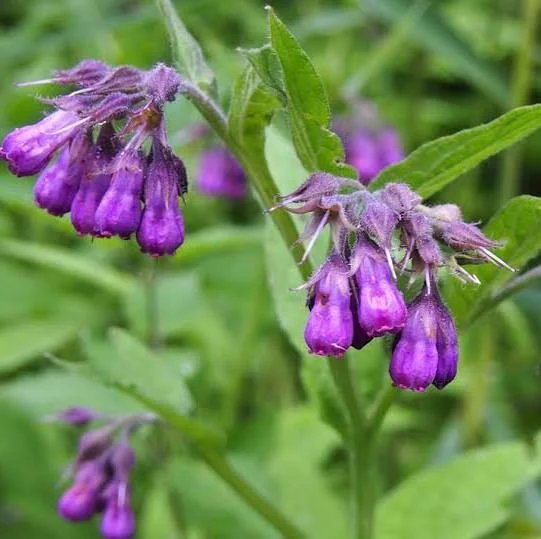
What can it be used for?
- Natural Fertilizer: Deep roots mine soil nutrients, making harvested leaves great for nutrient-rich liquid plant feed.
- Compost Activator: Chopped leaves heat up and speed down compost piles.
- Mulch: Leaves placed around heavy-feeding crops like tomatoes and rhubarb retain moisture and add nutrients.
- Pollinator Magnet: Purple and blue flowers attract bees and helpful insects.
- Skin Application: Salves and creams help soothe minor sprains, strains, bruises, and joint pain.
- Historical Nickname: Known as "knitbone" for its traditional use on bone healing.
- Strict Warning: Do not eat comfrey or put it on open wounds because it contains liver-damaging toxins.