
As I prepare for my annual visit to a local garden centre to train their grotto staff, I’ve been reflecting on the work we’ve done over the years to get Santa signing — and why it matters.
Many years ago, I took my son, who has Down syndrome, to a Christmas grotto in a huge shopping mall near our home. The experience wasn’t cheap, and the venue itself was magical: a winding trail, twinkling lights, the sense of adventure that builds as you inch closer to meeting the Big Guy himself.
But the moment we reached Father Christmas, everything shifted.
He glanced at my son… and didn’t even try to communicate with him.
Instead, he immediately turned to me and my husband and launched into a conversation about the terrible hangover he was nursing that day.
I was stunned. Hurt. Angry. I carried the weight of my child being ignored - in a place designed entirely for children - and it was heartbreaking. We left, and we never returned.
That moment changed everything for me.
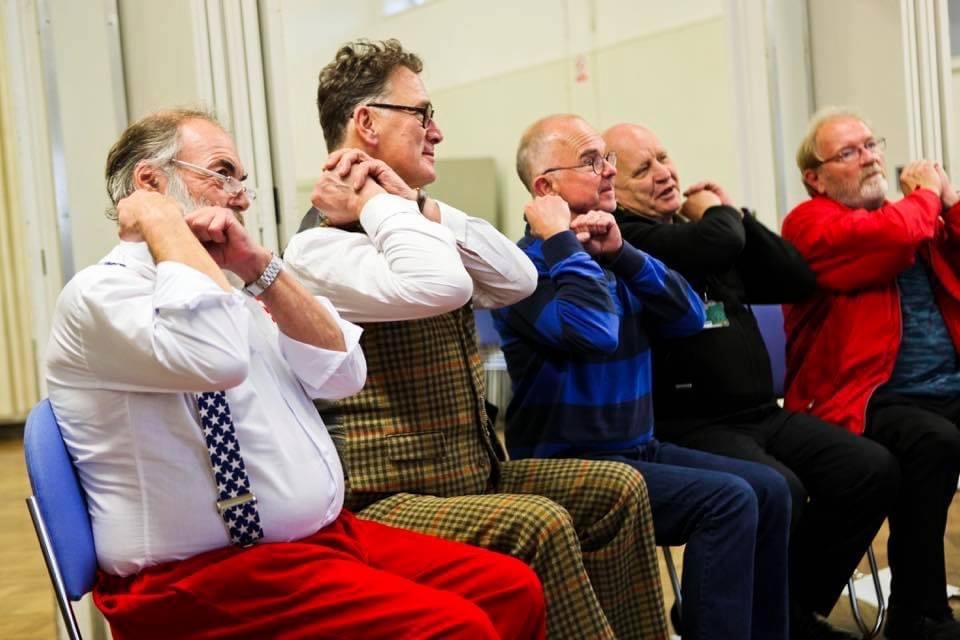
As a Makaton Tutor, I approached the Makaton Charity and we worked together to develop some taster-session word lists especially for Santa and grotto staff. And so Signing for Santas was born.
Since then, we’ve delivered training to grottos across the country — from large organisations (including a popular animal park) to individual Father Christmas performers who simply want to get it right. Every session has been filled with joy, connection, and often a few happy tears. When Santa signs, magical things happen. Children who are usually quiet open up. Parents relax. The whole experience becomes the way it should be.
Because every child deserves to communicate with Santa and his elves — not just the ones who use speech confidently or in the way adults expect.
So how can we make grotto experiences more accessible and inclusive?
Communicate in the ways children communicate
-
Learn some British Sign Language (BSL) for children who use it as their first language.
-
Learn some Makaton signs for children with communication difficulties or delayed speech.
-
Carry a small set of symbols — a choice board or symbol keyring — so Santa can offer visual options like reindeer, tree, snow, photo or no-photo.
-
Use gestures and natural sign to make communication warm and expressive.
-
Offer choices rather than big questions, which can feel overwhelming.
-
Use real objects (objects of reference) like bells, tinsel, or a pinecone to support understanding.
-
Give children time to warm up — not every child will walk straight in ready to chat or sign.
-
Use inclusive greetings such as:
“Hello… I’m so happy you’ve come to see me today.” -
Use a simple Feelings Board so children can show if they feel happy, shy, worried or excited.
This helps Santa adjust his pace, tone, and approach. -
Let children opt in or out of touch or photos by using simple visual cards showing: high-five, wave, no-touch, photo, no-photo.
-
Create a sensory-friendly environment
Even the most magical grotto can be overwhelming for some children. Sensory differences, anxiety, and unfamiliar spaces can make the experience feel unpredictable or scary.
A few adjustments make a huge difference:
-
Offer quiet, low-sensory sessions with:
-
lower lighting
-
no music
-
fewer people
-
longer time slots
-
the option to explore the space before meeting Santa
-
-
Have a small sensory basket available with soft fabric, a fidget, a stress ball, or a mini snow globe to help children regulate.
-
Practise “Slow Santa” skills: slow down speech, allow pauses, reduce background distractions, and give plenty of processing time.
-
Ask families in advance what might help their child — communication method, sensory preferences, and things that may cause distress.
-
And then there’s the grotto itself…
For some children, the most stressful part of the experience isn’t Santa — it’s the door.
Many grottos have Father Christmas waiting behind a closed door, and for children who are anxious, autistic, sensitive to sensory surprise, or simply unsure, not being able to see what’s behind that door can be incredibly daunting.
Making the “behind-the-door” moment easier
-
Keep the door slightly open or install a small “peek window” so children can see the space before entering.
-
Display a photo board outside showing Santa, the room layout, the lights, the elves, and anything bright or noisy. This helps children build a mental map before they go in.
-
Offer a simple social story at the entrance explaining step-by-step what will happen.
-
Allow families to have a quick look inside first, either with Santa quietly waving or with the room empty to reduce pressure.
-
Have an elf act as a gentle “transition guide”, using simple words or Makaton to explain what’s inside.
-
Use calming sound cues (very low volume) so children know what to expect without being overwhelmed.
-
Let children choose how they enter — first, with a parent, with siblings, or after watching someone else go in.
-
Use clear symbol signage showing Santa, lights, photo, sit, hello, present.
-
Offer a short “waiting video” or slideshow of Santa sitting calmly in the grotto, so children know exactly who is behind the door.
-
Provide an alternative entrance or meeting point for children who find closed spaces too difficult.
-
Allow children to opt out without pressure — because “no” is a valid and important communication.
These small adjustments help children feel safe, prepared, and respected before they’ve even stepped inside.
Let’s make every Santa experience magical — for every child
When grotto staff embrace flexible communication, prepare thoughtfully for sensory needs, and offer children genuine choice and agency, we create Christmas moments that are safe, joyful, and accessible.
The magic is magnified when every child can join in — in their own way.
Tags: