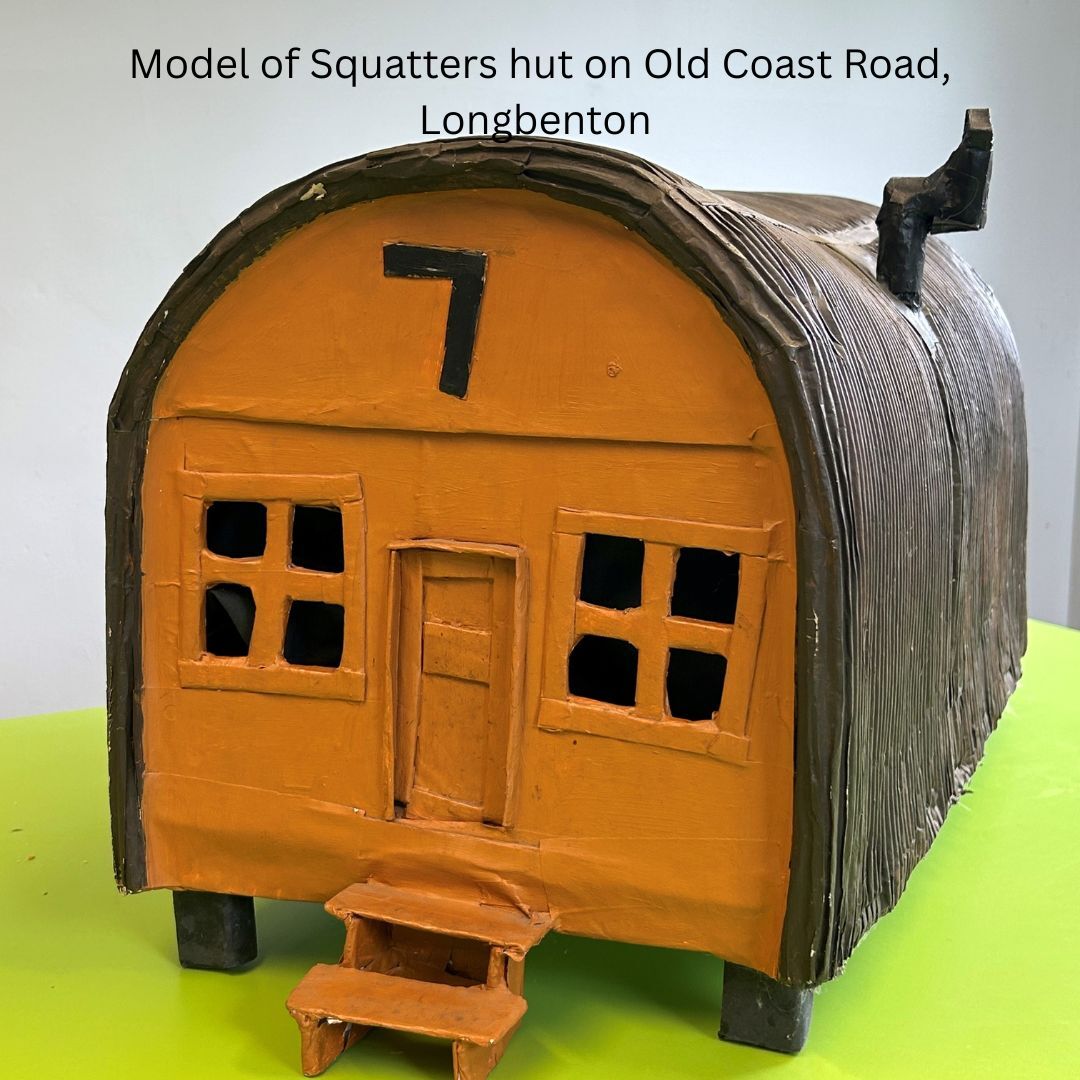
Whitley Road Squatters’ Camp
A little‑known part of local history is the post‑war squatting movement, which saw thousands of families across Britain take over abandoned military sites in 1946. One such settlement stood on land now forming part of Rising Sun Country Park, close to today’s Whitley Road.
National Context - After the Second World War, Britain faced a severe housing crisis. Returning servicemen, bomb‑damaged cities and years of halted construction left many families with nowhere to live. In the summer of 1946, a spontaneous nationwide movement began: families started occupying empty army camps, RAF stations and former POW sites.
Historical records show:
- The movement began in May 1946 in Essex and spread rapidly.
- By late August, more than 1,000 camps across England and Wales had been taken over.
- Around 40,000 people were living in these camps, with a further 4,000 in Scotland.
- The government initially considered evicting squatters but soon accepted the situation due to public sympathy and the scale of the crisis.
Local authorities were instructed to provide basic services — water, sanitation, refuse collection — even though the occupation was technically illegal.
The Whitley Road Camp
On 14 August 1946, eleven families moved into a disused camp on the Old Coast Road (now Whitley Road) in Longbenton, on land just south of the present‑day ASDA. Newspaper reports indicate that the site had previously been used to house German prisoners of war.
By the end of the month, the settlement had grown significantly, mirroring the rapid expansion seen across the country.
Life in the Camp
A former resident - who lived there as a child - later created a scale model of one of the huts, now kept in the Rising Sun park offices. His memories provide a vivid picture of daily life:
- Around 200 wooden huts with tin roofs
- Windows without glass, covered only by curtains
- Water drawn from a shared outdoor pump, costing one penny per pail
- Cooking and washing water heated using a coal fire bucket
- Lighting provided by candles
- Huts highly vulnerable to fire, with at least two destroyed
Additional historical accounts from other North East camps confirm that conditions were often harsh: damp walls, poor insulation, and limited heating. Yet many families described a strong sense of community, shared hardship and mutual support.
How Long Did the Camp Last?
Most squatter camps were gradually emptied as new council housing became available. Many families were eventually rehoused in the expanding estates of Longbenton, Forest Hall and Wallsend during the late 1940s and early 1950s. The Whitley Road camp appears to have followed this pattern, disappearing as post‑war housing programmes accelerated.
Share Your Memories: We would love to learn more about the Whitley Road Squatters’ Camp and the people who once called it home. If you have stories, photographs, family memories, or any additional information about life in the camp, please get in touch with us. Every contribution helps preserve this important part of our local history.