The Wallsend and Hebburn Coal Company opened a brickworks at Rising Sun Colliery in 1908, producing common bricks mainly for use across the company’s own mining sites. The brickworks made use of shale extracted directly from the colliery, allowing the operation to run efficiently alongside the mine.
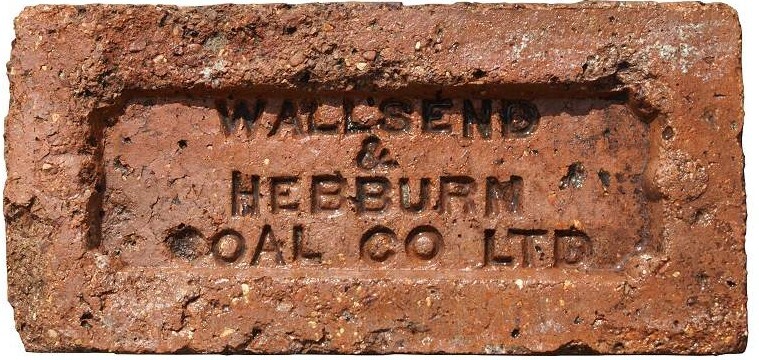
Much of what we know about the brickworks comes from accounts recorded in Brickworks of the North East by Peter J. Davidson. These describe how a 2½‑foot layer of shale from the Main Coal Seam was brought to the surface and used as the primary raw material. By 1924, the yard operated three shifts a day, with only eight men working each shift.
The bricks were fired in a 16‑chamber Hoffman kiln, each chamber capable of holding around 10,500 bricks and reaching temperatures of up to 1050°C. Over time, the kiln was updated: the chimney was reduced in height before 1963, an electric fan was added to improve draught, and in 1965 an Octopus Automatic Feeding system was installed to modernise the firing process.
Shale supplies changed through the 1960s. Between 1963 and 1965, material was sourced from Ewart Hill and Acorn Bank, and from 1965 to 1968, higher‑quality shale from Wardley was used to produce second engineering bricks. The brick‑pressing machinery — Bradley and Craven machines — could produce 14,000 bricks in an 8½‑hour shift. At its peak in the 1960s, with 18 men employed, the brickworks produced around 86,000 bricks per week.
There is strong evidence that bricks from Rising Sun were used in coastal defence structures during the Second World War, as examples stamped with the brickworks’ mark have been found along the Northumberland coastline.
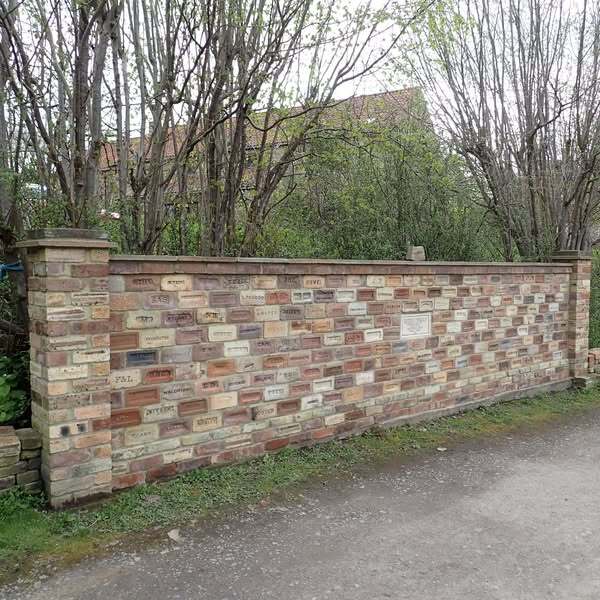
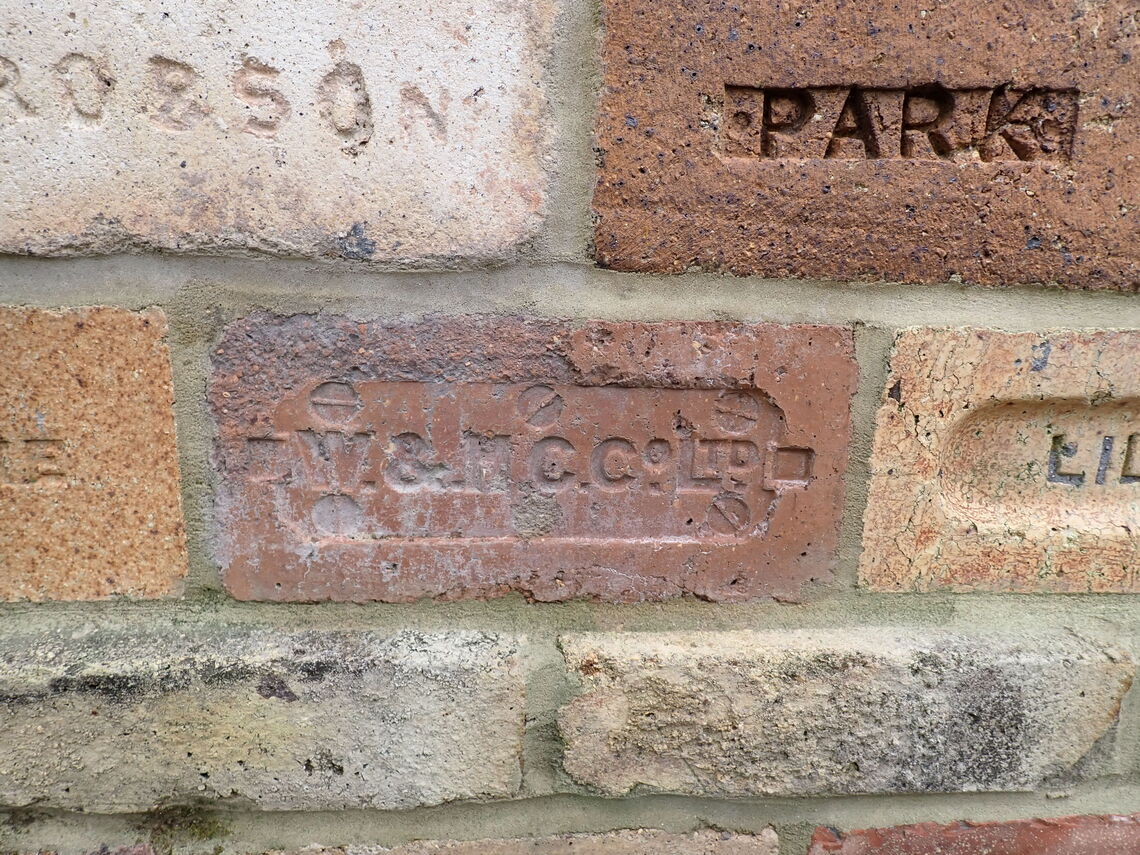
A surviving Rising Sun brick is displayed on the Brick Heritage Monument at Path Head Water Mill in Summerhill, Blaydon. Built in 2022 by Chris Tilney and his son Mark, the monument celebrates the industrial heritage of the North East and preserves bricks from many of the region’s historic works.