
The history of Rising Sun Country Park is rich, varied and deeply rooted in the industrial and social past of North Tyneside. Long before it became a green haven for wildlife and recreation, this landscape was shaped by coal mining, healthcare, quarrying and landfill.
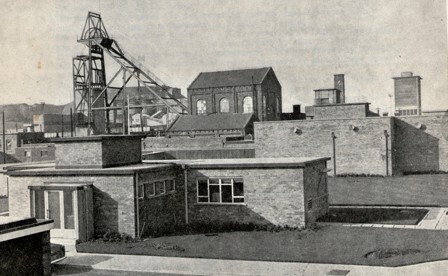
For much of the 20th century, the site was home to one of the largest coal mines in Europe, the Rising Sun Colliery. It operated from 1906 until its closure in the spring of 1969, employing generations of local miners and leaving a lasting legacy on the surrounding communities.
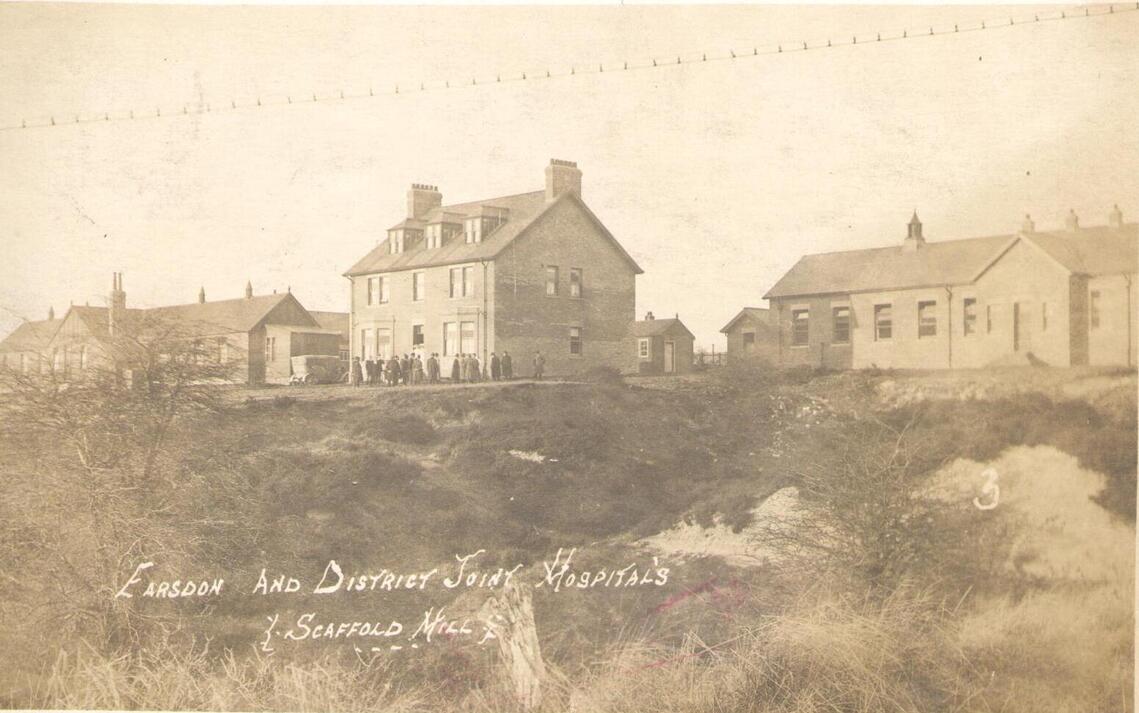
The Countryside Centre stands on the former site of Scaffold Hill Isolation Hospital, which was built to treat infectious diseases. The hospital later became known as Holystone Hospital, specialising in the care of older adults until its closure in the 1980s. Several of the buildings within the Countryside Centre grounds once formed part of this historic hospital site.
Also within the Countryside Centre grounds is the site of Scaffold Mill Quarry, which operated for 36 years between 1861 and 1897. Early Ordnance Survey maps show that an “Old Quarry” was located to the north‑west of the Countryside Centre. It is believed that sandstone from this quarry was used in the rebuilding of St Bartholomew’s Church in Benton during the 1790s.
From the mid‑1960s to the early 1970s, parts of what is now the country park were used as landfill for domestic waste — a reminder of how dramatically the landscape has been transformed into the green, wildlife‑rich space enjoyed today.