Over the last couple of years, supporters of Queens Road Estates Richmond have come together with key stakeholders (The Richmond Foundation, London & Quadrant, London Borough of Richmond upon Thames) and allies (Habitats & Heritage and Richmond Park) to make the Queens Road Estates a better place for wildlife and humans to live and thrive together.
In June and July 2026, members of the Group met L&Q's Head of Open Spaces, an external biodiversity consultant, L&Q's own Biodiversity Lead, as well as representatives from Habitates & Heritage and one of our local ward councillors. We waled around the Estates, identifying both problem areas, areas ready for biodiversity interventions and areas where residents have already implemented this on their own.
While we do not yet have a formal agreement with L&Q, they have confirmed that the QRE will be one their flagship areas for biodiversity and have now shared with us their Biodiversity Enhancement Plan for Queens Road Richmond. You can read the text of the plan here https://e-voice.org.uk/foqre/london-quadrant/. If you want this document PDF, which includes images and maps, or if you would like to pop round and read one of the three hard copies we have received, just drop us an email at friendsofqueensroadestates@gmail.com
VOLUNTEER DAY - 26TH OCTOBER 2026
Thanks to Habitats & Heritage we will be running our very first Volunteer Day on Saturday 26th October. The scope of the day is to start pushing back the overgrowth of ground ivy and brambles on the Amenity Land with a view to allowing air and light back in to encourage the bluebells to spread and flourish in the wood. Habitats & Heritage volunteers are well-trained and enthusiastic and we would encourage any residents who want to lend a hand to join us on the day. Instructions and tools provided, just turn or drop us an email at friendsofqueensroadestates@gmail.com
WILDLIFE CORNERS TO WILDLIFE CORRIDOR
Building on the Phase 2 Wildlife Corners (photos below), which residents established over many years, we now ensivage a Wildlife Corridor connecting the three phases of the estates.
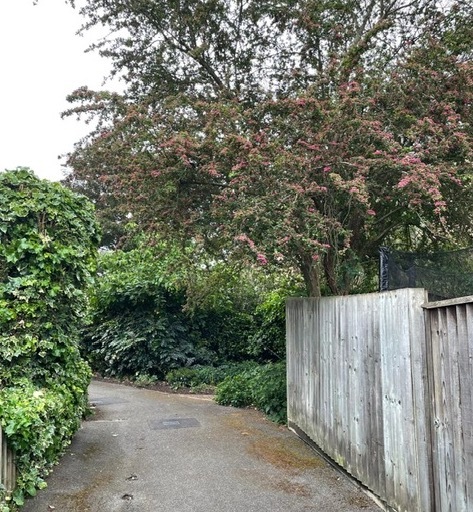
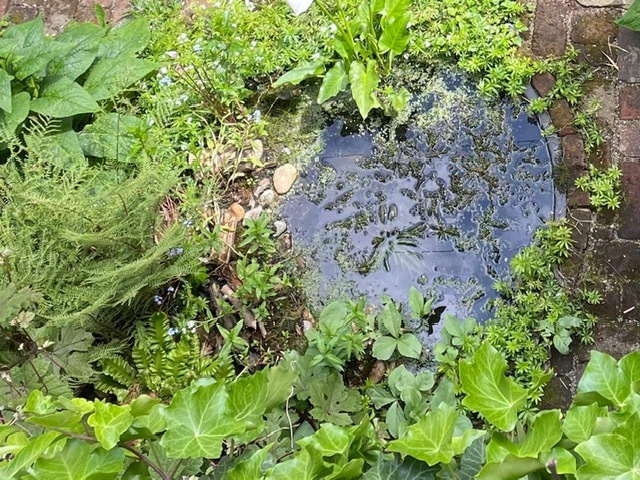
Initially, it will start at Grove Gardens (photo below) in the north between Phase 2 and Richmond Cemetery, and snake through the estates to the Amenity Land (see photo under Bluebell Wood and Community Orchard below) in the south between Phase One, the Lass of Richmond Hill pub and Richmond Park.
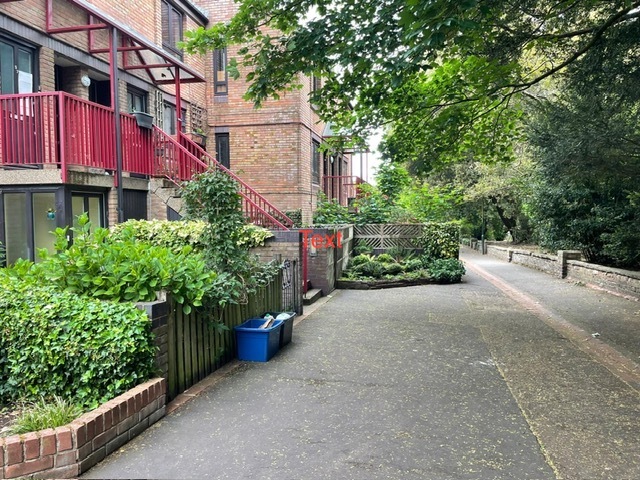
We hope that one day the corridor will run almost the entire eastern length of Queens Road, extending further north down Grove Road, past the back of St. Elizabeth's Primary School, to Pesthouse Common and Christ's School.
The Wildlife Corridor gives us the chance to introduce new features and to restore some we have lost, like the bluebell wood and fruit trees on the Amenity Land in the south. Here, starting in October 2026, we will work with volunteers to clear brambles, ground ivy and overgrown vegetation to allow the bluebells air and light enough to return. At the same time in the open area, we want to replant some fruit trees, an important source of seasonal food for wildlife.
RAIN GARDEN
Incorporated in the Wildlife Corridor will be our first Rain Garden on the site of disused bowl-shaped playground at the rear of Hobart Place. Thanks to the use of SuDs, or sustainable drainage systems, it will help prevent flooding year round and in the summer allieviate the urban heat island. Above all, transforming a disused asphalt basin into a sustainable garden will support wildlife and promoting residents' wellbeing.
The site visit was followed, in autumn 2025, by a preliminary consultation with rain garden experts, Community Bluescapes. The confirmed the site's suitability and recommended lifting the asphalt, improving drainage and planting a mix of trees, shrubs and grasses that would tolerate pollution, drought and flooding. The re-landscaped area will also provide valuable wildlife habitat in a currently barren patch along the Wildlife Corridor as well as being an uplifting environment for residents, who have already expressed their enthusiasm for the idea.
You can read more about rain gardens that have been retrofitted in social houisng estates here https://www.london.gov.uk/sites/default/files/reimagining_rainwater_in_social_housing_v1.pdf This article explains more about SUDS and biodiversity https://www.susdrain.org/delivering-suds/using-suds/suds-performance-and-monitoring/biodiversity-benefits. The 2026 Chelsea Flower Show also features a design for a private back garden that can allieviate or prevent flooding https://www.bbc.co.uk/news/articles/c4gz2xjmegko
RESTORATION OF BLUEBELL WOOD AND COMMUNITY ORCHARD
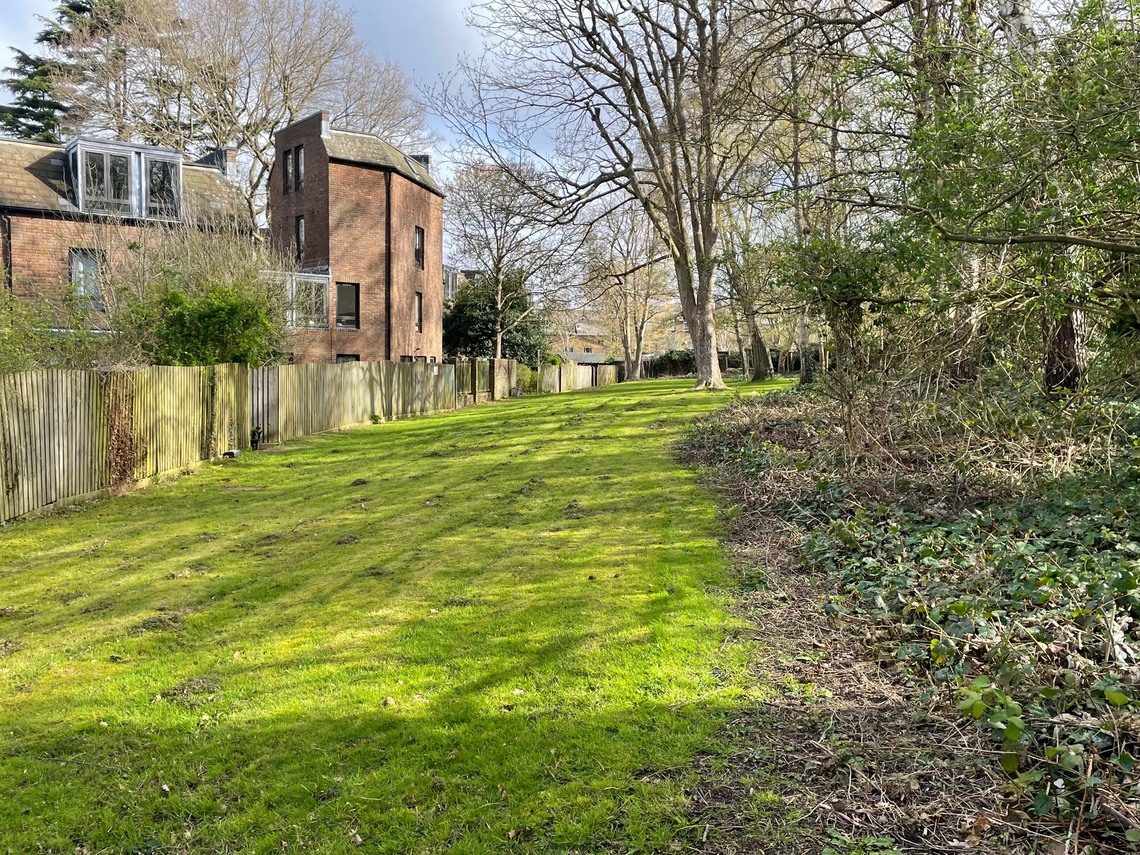
Residents who have lived on Phase One since it was built told us that there used to be fruit trees and a bluebell wood on the Amenity Land.
Fruit trees (damson, cooking apple and pear) planted gardens of the old Victorian houses that preceded the estate, were still fruiting when first residents moved in. All but the pear, which is struggling to survive, have since died and not been replaced. We aim to replant a selection of fruit trees, hopefully starting in autumn 2026, for the enjoyment of both residents and wildlife. Once our constitution is approved and the Group is active, we aslo hope to seek support from the Urban Orchard Project,a charity which helps plan and plant new fruit trees.
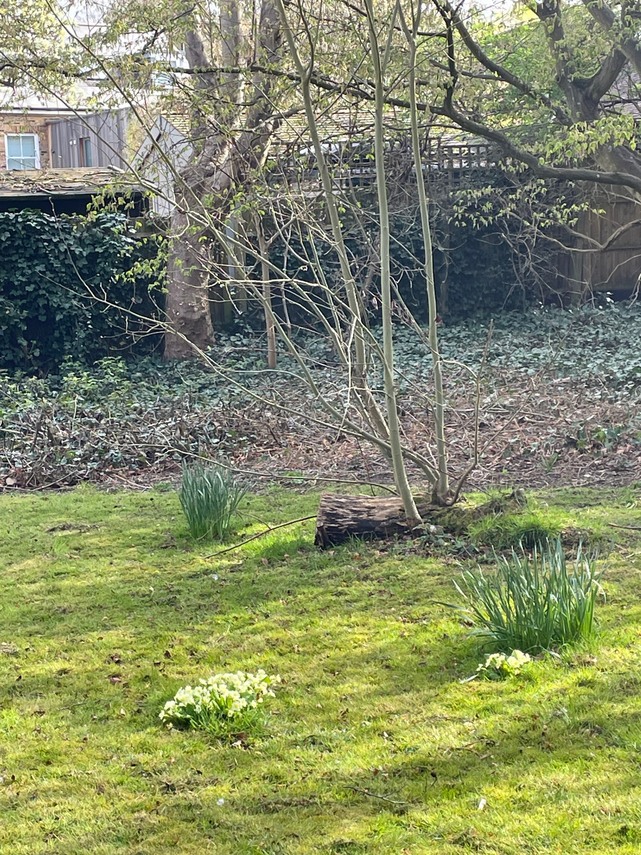
Daffodils and primroses growing the grass have suffered both from the encroaching ivy and brambles, but also from careless mowing carried out before the flowering is over. We hope to reduce the number of mows and to create defined areas of longer grass around the fruit trees that will be the setting for a range of spring and autumn flowers (bluebells, daffodils, primroses, native geraniums, autumn crocuses).
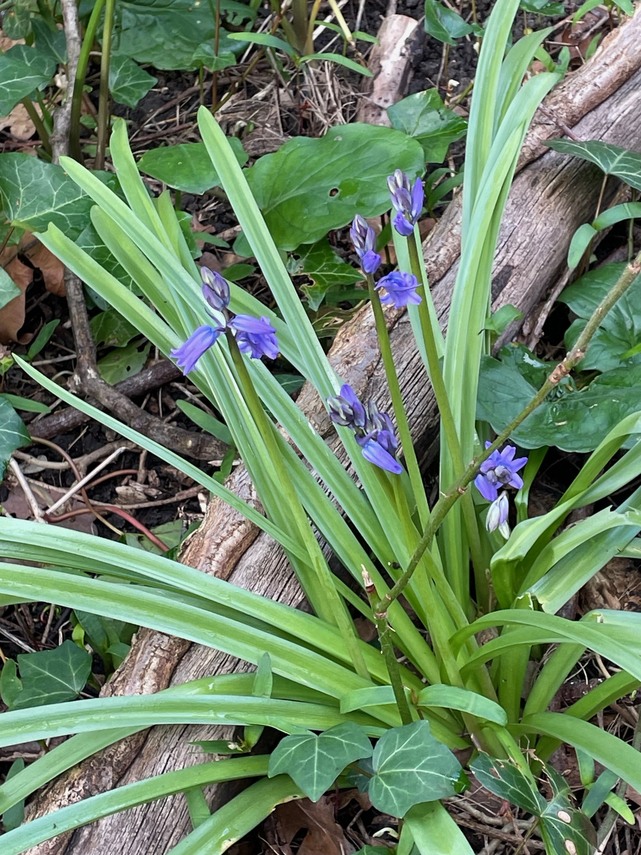
In spring, bluebells used to carpet the wood surrounding the Amenity Land. Although they are still present, they have struggled to compete with ground ivy and brambles, which have also encroached into the grassed area. We aim to gradually clear the ivy and brambles to allow the bluebells to flourish once more, along with the naive Cuckoo Pint that is also found here.
In spring 2026 Peter Lawrence, Deputy Manager of Richmond Park, visited the Amenity Land and idenitified areas where we can work together. These include stablising the path to Bishop's Gate, building loggeries for stag beetles, thinning the self-seeded sycamores to allow more air and light into the wood and planting a few more wild blossom/fruiting trees to encourage wildlife. We also discussed drainage to prevent the estates flooding that was installed in Richmond Park in the 1970s/80s and whether or not this will be fit for purpose with a changing climate.
In October 2026, after the nesting season ends, we will start work with Habitats & Heritage and volunteers to improve the first section on the Amenity Land.
THIS SUMMER/AUTUMN
GUIDED WALKS
Over the summer 2026, there will be two guided walks (one daytime, one evening) along the proposed route of the wildlife corridor. Led by a conservation speciliast and volunteers, walkers will learn how the wildlife corridor will improve the lives of wildlife and humans alike.
Each walk, lasting approximately 45 minutes, starts at Grove Gardens (near the Grove Chapel accessed from Greville Road or Park Hill | 371 bus stop Park Hiill on Queens Road). They end at the Amenity Land (close to The Lass of Richmond Hill pub and Richmond Park main gate | 371 bus stop Lass of Richmond Hill on Queens Road).
LAUNCH
Later in the year, we will hold a launch event at the Grove Chapel where we will have an exhibition of photographs and artwork of the estates, mingle and discuss ideas for the future with our guest speakers. Depending on the date, we hope to end the lauch with a bat walk.
AUTUMN ON THE AMENITY LAND
From October, we will start working with Habitats & Heritage and volunteers to clear a first section of the Amenity Land of the overgrowth of ground ivy and brambles. Whis will allow the bluebells to flourish once more.
We also aim to re-plant the pear, plum and apple trees that used to be on the Amenity Land.
2027 AND BEYOND
Some ideas for future years.
- Our Natural Neighbours. In collaboration with Habitats & Heritage, LBRUT's Conservation and Ecology Team, and Naturalists, there will be a section of the website where residents can report sightings of wildlife species. We are particularly interested in species we once commonly saw on the Queens Road Estates such as bats, owls or blackbirds.
- Sponge Streets - proposals to gradually replace hard surfacing with a mix absorbent surfaces, including permeable pavements, superdrain asphalt and plants which will absorb run off in periods of heavy rain, reduce the amount of water flowing into the drains and help prevent flooding.
- Live Chat - periodic catch ups over a tea, coffee or a glass of something to get to know each other in person and chat about how we see our future.
- Website and Social Media - friends who can help build the website and a social media presence can make a real difference to our success.
- Who Do We Think We Are? - we aim to make an oral history audio-visual project that will showcase first-hand, verbatim accounts of what it's like to live on the estates and their surrounding area.
- How We Got Here - a History of the land and estates from the 1700s to today.
- What We Are Made Of - original designs and lists of materials specified by the architects and approved by planners for use in the built environment. We hope that these pages will provide L&Q and their contractors a point of easy access to specifications, materials used, planning conditions, Grade 2 listing and other restrictions.
WHO PAYS?
Our initiatives will cost money. And currently, this is money we do not have. So we will have to find funding.
The first step needed if we are to raise funds is to give this supporters' group a formal structure and organisation, so that we can start making funding applications. To this end, and with the help of Habitats & Heritage, in early 2026 we drafted a constitution which we then sent to the main stakeholders (The Richmond Foundation, London & Quadrant, LBRUT local councillors) to make sure we have their support. The Richmond Foundation, which owns the freehold to the land, agreed this in April 2026. Our local LBRUT councillors, who have overall responsibility for the area, approved this too, but, given they are up for re-election we have to wait until after May 8th 2026 to know who our new councillors will be. London & Quadrant has welcomed the initiative but, as our vision may impact or even encroach on their operational activities, we are currently in conversation with them with a view to agreeing a way forward.
WHAT CAN YOU DO?
As soon as we have secured the support of the main stakeholders, we will open the group for membership, which will be free. In the meantime, if you want to support us, join us, volunteer, or pass on suggestions, thoughts or questions email us at friendsofqueensroadestates@gmail.com