The five day Study Tour has taken place annually for many years and, whilst it is operated as a wholly independant financial entity to CDAS, it is organised and attended by society members and friends.
Saturday 2nd August
The first visit of the tour was to Bletchley Park, headquarters of the operation to break the Axis Powers’ codes during World War II. By the time this war broke out, there were hundreds of code-breakers employed there, including Polish allies who had been working to break the German Enigma code machine. The Colossus code-breaking machine was developed at Bletchley Park permitting the Enigma codes to be cracked. By the end of the war 9,000 people worked at Bletchley Park and their efforts made a huge difference to the Allied war effort, significantly shortening the war.
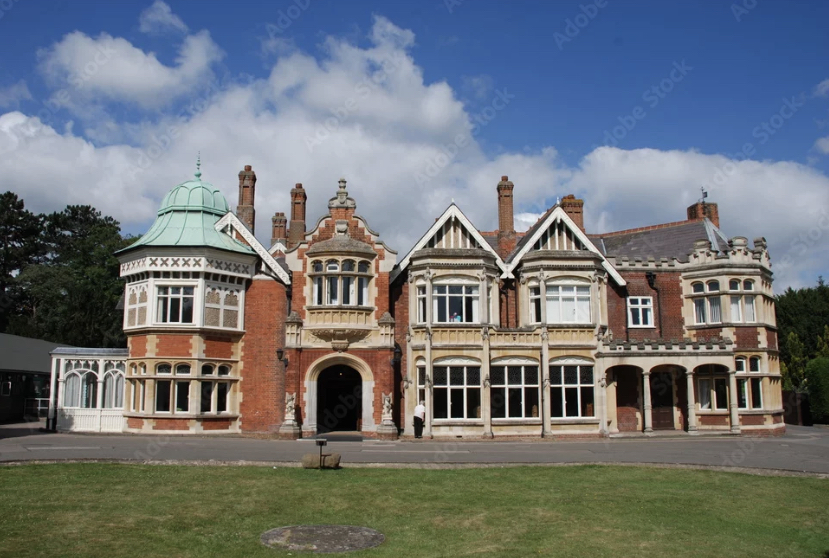
Following this the group went on to the Marks Tey Hotel, near Colchester, the base for the tour.
Sunday 3rd August
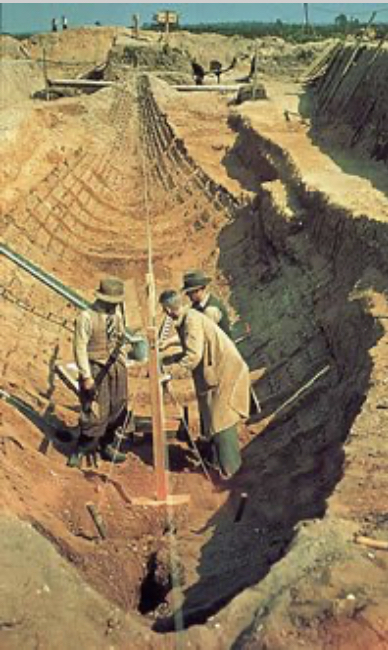
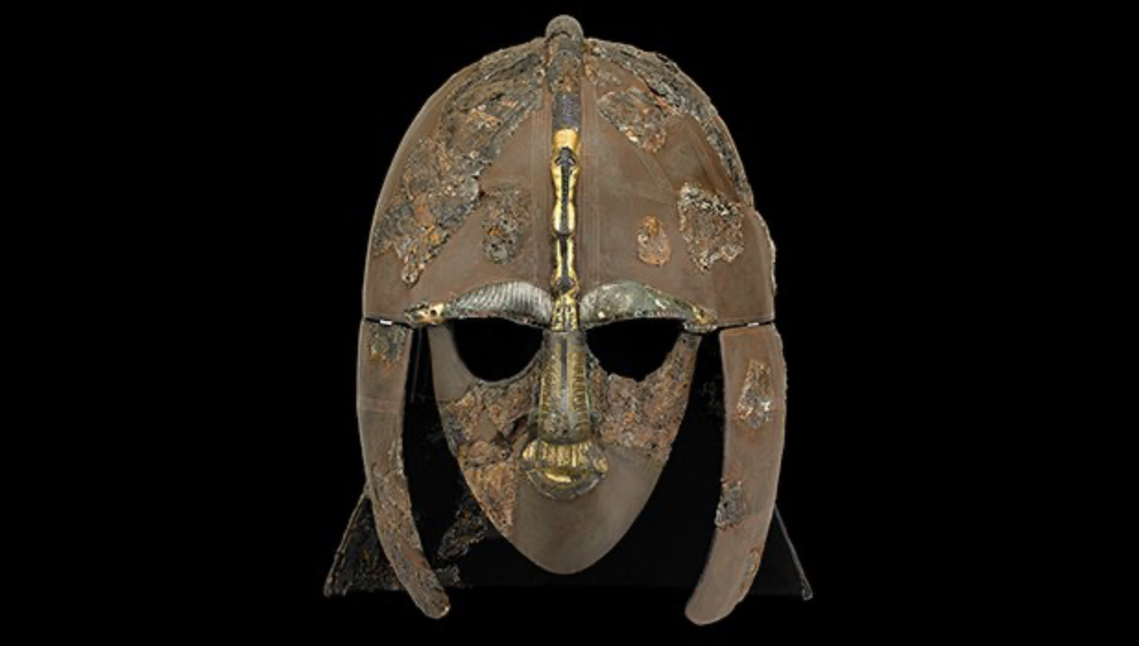
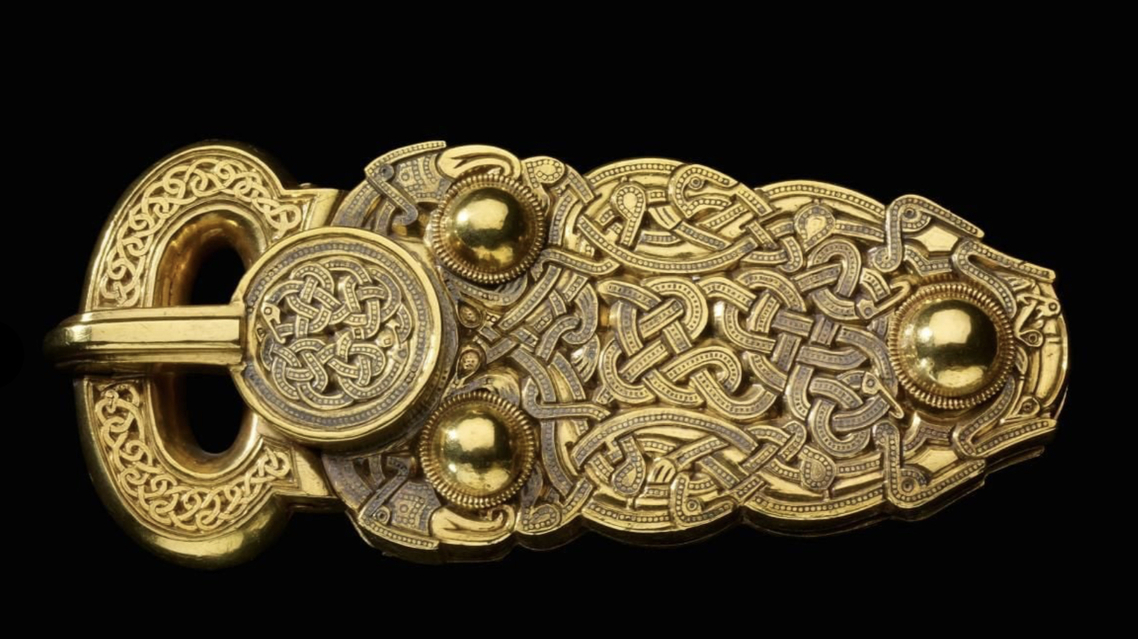
Sutton Hoo, where there is evidence of burials from the Bronze age but is more famous for the early Anglo Saxon boat burial of a very high status figure - possibly Raedwald, King of the East Angles. It was initially excavated by Basil Brown, a self taught archaeologist, working for the landowner Edith Pretty. Professional archaeologists subsequently took over and the finds were taken to the British Museum for conservation and display. These finds include the famous helmet and jewels originating from as far away as Byzantium, Afghanistan and Sri Lanka.
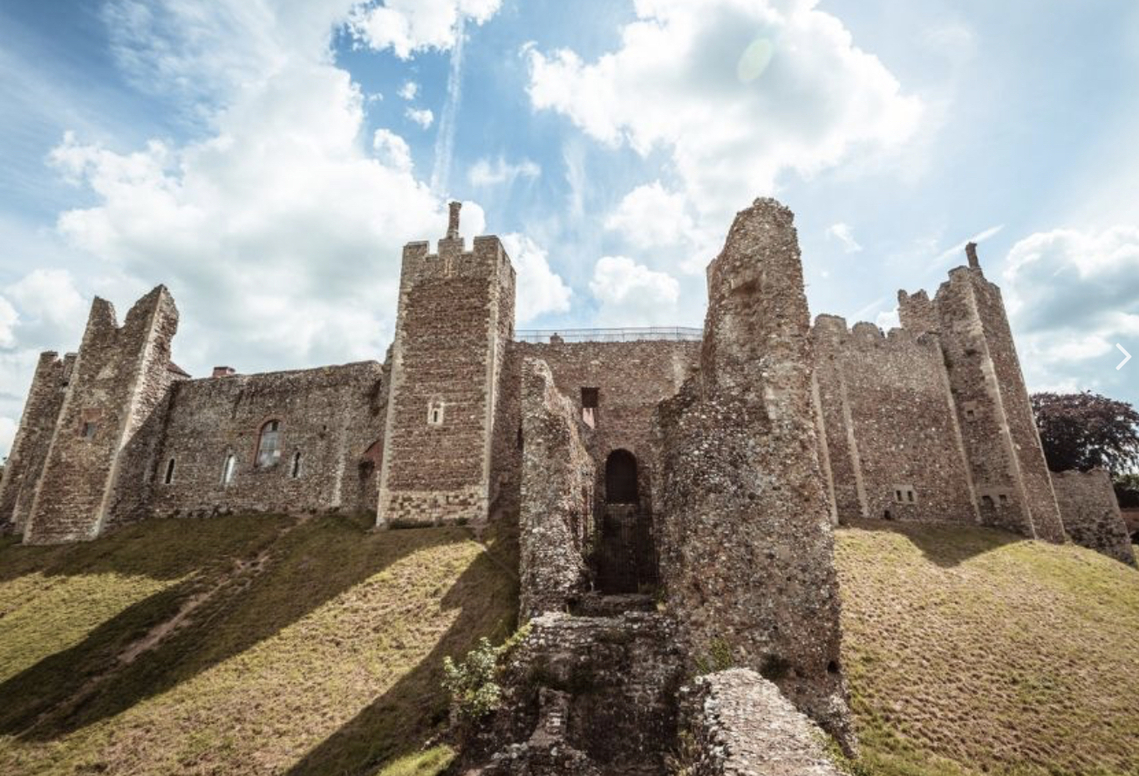
Next we visited Framlingham Castle which dates from the 12th Century. In 1553 Mary Tudor launched her bid for the throne from here. Most of the group completed the circuit along the top of the walls.
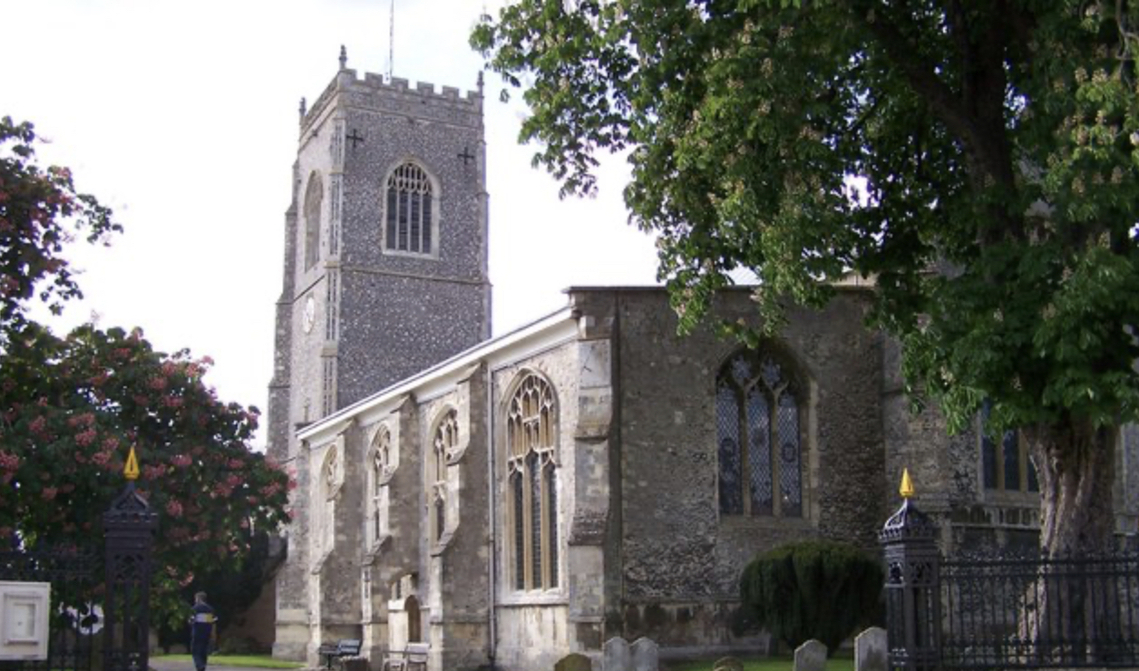
We then walked the short distance to St Michaels Church (built from the 12th century). It contains tombs of the Dukes of Norfolk and their families and also Henry FitzRoy, illegitimate son of Henry VIII. At one point he was considered as a possible heir, but he died as a teenager.
Monday 4th August
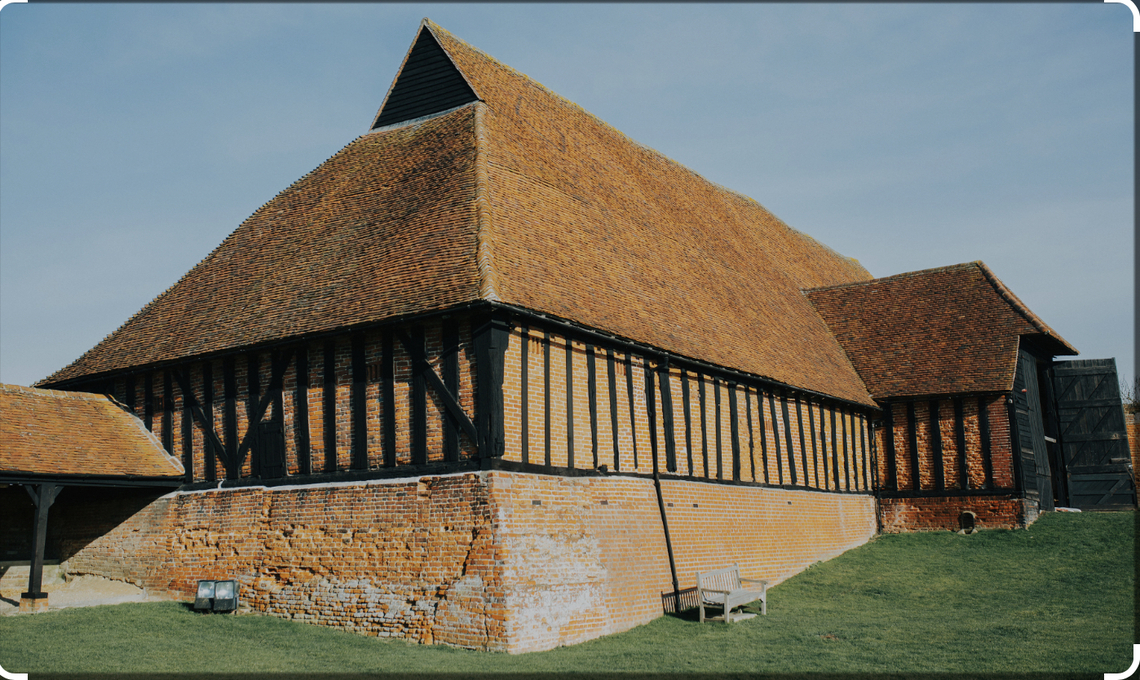
Cressing Temple Barns (13th Century), built for the Knights Templars and featured in the Peasants Revolt of 1381, when some peasants were hung from their beams!
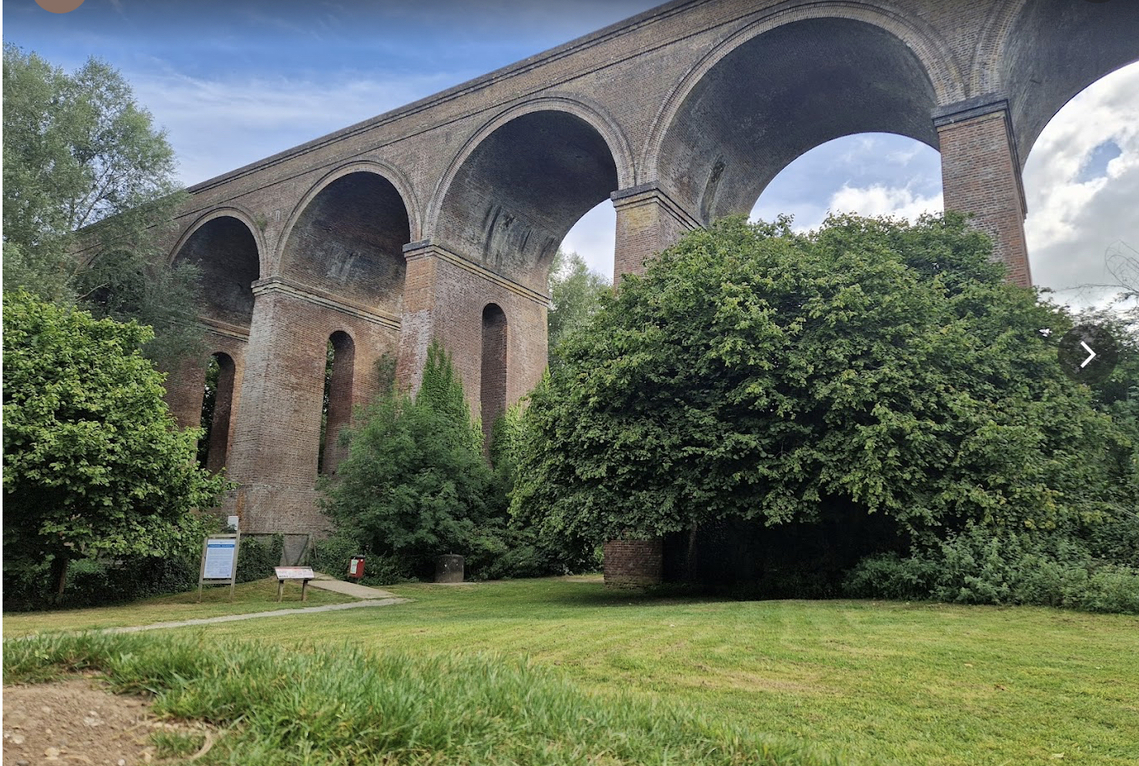
After lunch - Chappel Viaduct, completed in 1849 to take the railway over the River Colne. It has 32 arches and was constructed using 7,000,000 bricks. Followed by a visit to the local parish church.
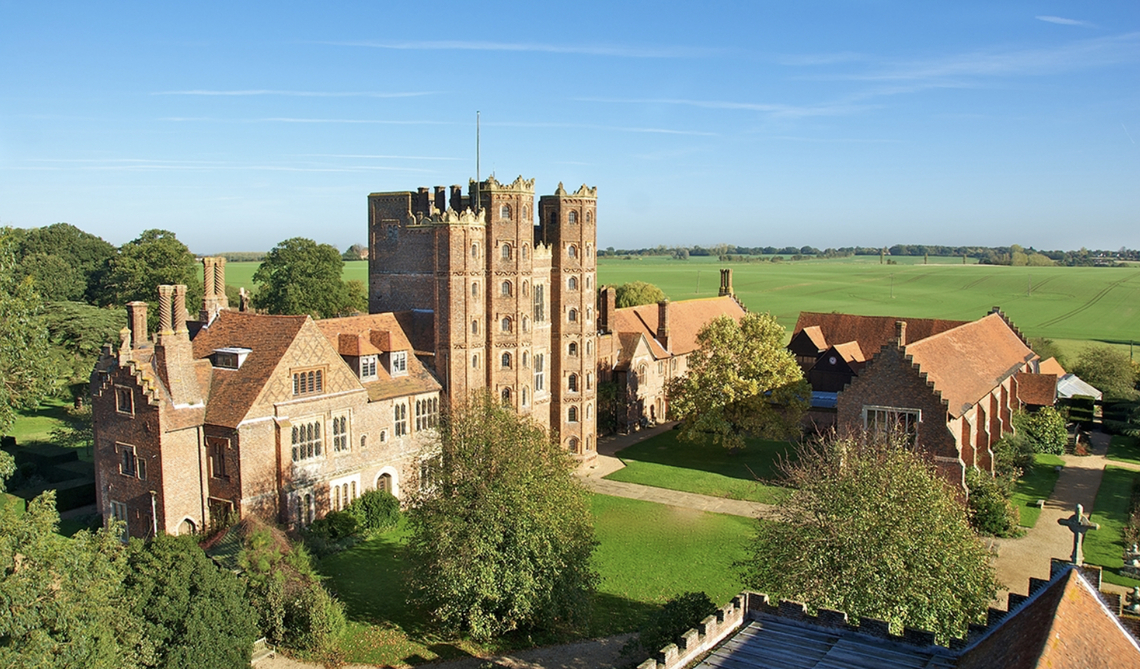
We then went to Layer Marney Towers, the tallest Tudor gatehouse in Britain, for a guided tour of the house and church with the owner. The tower, dating from 1523, was built by Henry, 1st Lord Marney. He had been a trusted lawyer to Henry VII and something of a guardian to his son Henry. It is the tallest Tudor Gatehouse in Britain. Early in his reign Henry VIII favoured the Renaissance style from Europe and he encouraged his nobles to build in that style. After the break with Rome the style went out of fashion as being seen as too Catholic. (See Climbing Great Buildings” on BBC IPlayer.)
Tuesday 5th August
Colchester Roman Wall to the Balkerne Gate (the largest surviving Roman gate in Britain), then onwards passing the massive Victorian water tower known as Jumbo, down the High Street to Colchester Castle. We passed the “Twinkle, Twinkle Little Star” memorial. The poem was written in the early 19th century by Jane and Anne Taylor. The memorial shows them in bonnets looking very like Jane Austen characters.
We visited the castle with its extensive collection of artefacts covering Colchester's long history. In the early Roman period it was the capital of Britannia. We then conducted a guided tour of the vaults of the Castle. The Romans erected a temple to the Emperor Claudius, built on two parallel vaults. The temple was a place of refuge during Boudicca's revolt and held out for 2 days before being burnt to the ground, when all the occupants were killed as they tried to escape. It was rebuilt after the revolt was suppressed.
The Normans built the largest of their keeps using the foundations and materials from the temple. After visiting the vaults some of us went on to the roof of the castle.
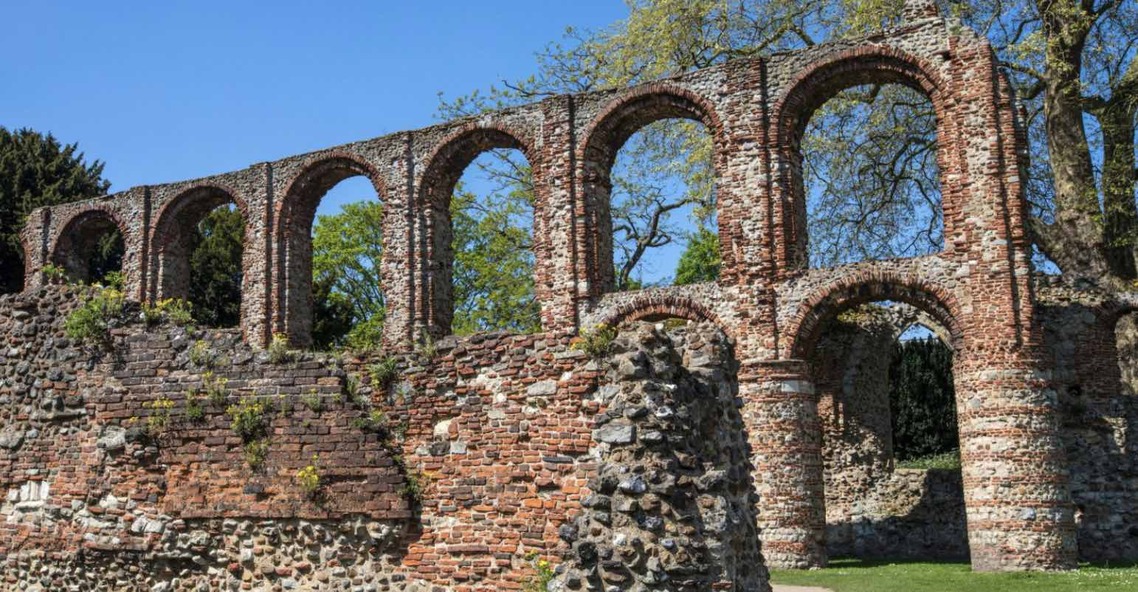
Then followed free time in Colchester, with visits to St Botolph's Priory, Hollytrees Museum and Castle Park.
After dinner in the hotel the group greatly enjoyed the “mandatory" study tour quiz.
Wednesday 6th August
Visit to Harmondsworth, a village under threat from Heathrow Airport's proposed third runway.
Parts of St Mary's church has parts dating back to 1067. It is constructed mainly of flint but the tower was rebuilt in brick after it had fallen down.
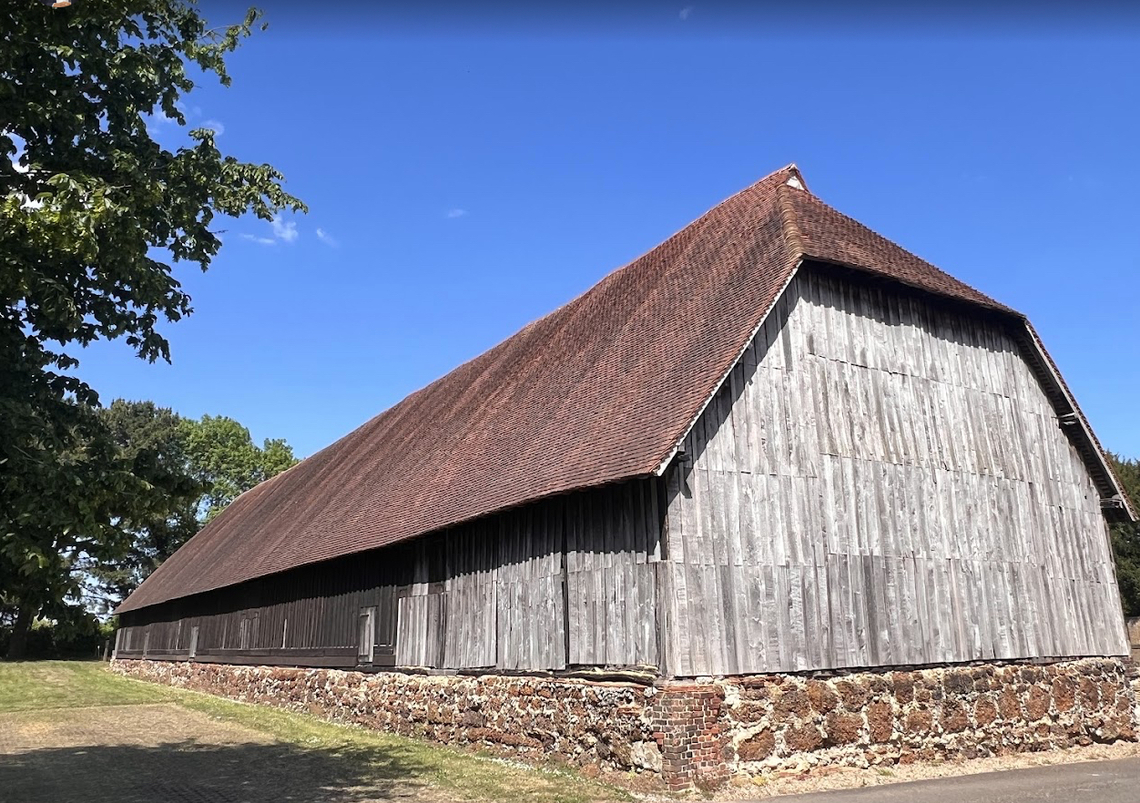
Next was the 12th/13th century) Great Barn - the longest medieval barn in Britain - and a guided tour with one of the “friends” of the barn.
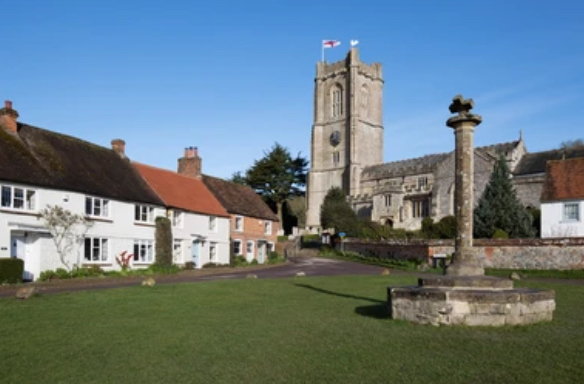
From Harmondsworth we went to Aldbourne village in Wiltshire where we were met by 3 volunteers from the Heritage Centre. The centre has “finds” and artefacts tracing the village's history through the last 6,000 years including items relating to the “Band of Brothers” who trained near the village before the Normandy landings in 1944. The volunteers took us round the village passing the pond and green, to St Michael's church. There is evidence of an earlier wooden Saxon church but the current building dates from the 12th century but it was rebuilt in the next century following a fire.
The coach then returned along the M4/M5, making drop-offs at Bristol Parkway station, Blackrock Villas, Walton-in-Gordano, Clevedon, Yatton, Cleeve and finally, Nailsea.
Finally, our deepest thanks go to the study tour organiser/helpers, coach driver and participants for achieving such an enjoyable and memorable experience.