On this day in Wembury — 13 April 1910
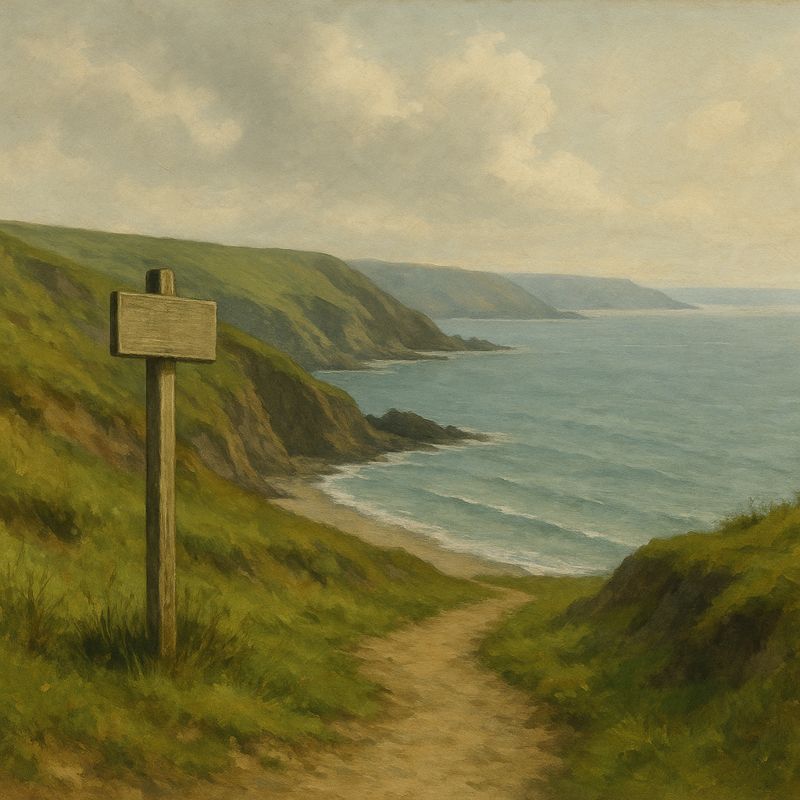
A letter written to the Western Morning News raised alarm over the possible loss of public access to the coastal path between Bovisand and the Yealm. Signed simply “G. S.” and dated April 13, it warned that new notices had appeared along the cliffs discouraging walkers, threatening to close a stretch of shoreline that local people had long enjoyed.
The writer appealed to both the Plymouth Rural District Council and Wembury Parish Council to act quickly to preserve the right of way. He reminded readers that the Local Government Act of 1894 gave parish councils the power — and duty — to protect public footpaths. “What is more important,” he wrote, “is to know if the Plymouth Rural District Council is a consenting party to this limitation of right.” The implication was clear: without vigilance, the public might lose access to one of South Devon’s finest stretches of coast.
This was an early skirmish in a struggle that continued for decades. Rights of way along the cliffs around Wembury and the Yealm were not fully secured until long after the Second World War, when the South West Coast Path was formally established. The anonymous correspondent’s plea of 1910 now reads as a prophetic defence of the landscape that later generations would come to treasure.
Who “G. S.” was is not recorded, but local history offers a good clue. A George Squance lived in Wembury in the early twentieth century, and another member of the same family, F. Squance, wrote to the Western Morning News in 1945 on the very same issue of coastal access. It seems likely that the initials belonged to this earlier Squance, a quiet yet determined advocate for the public’s right to walk the cliffs of Wembury — a cause that would define the village’s relationship with its shoreline for more than a century.
(Western Morning News, 14 April 1910, letter dated 13 April 1910)
Curated and written by Wembury Waves using material from the British Newspaper Archive.
Entries are summaries and interpretations of historical newspaper reports.
