
On this day in Wembury — 17 March 1832
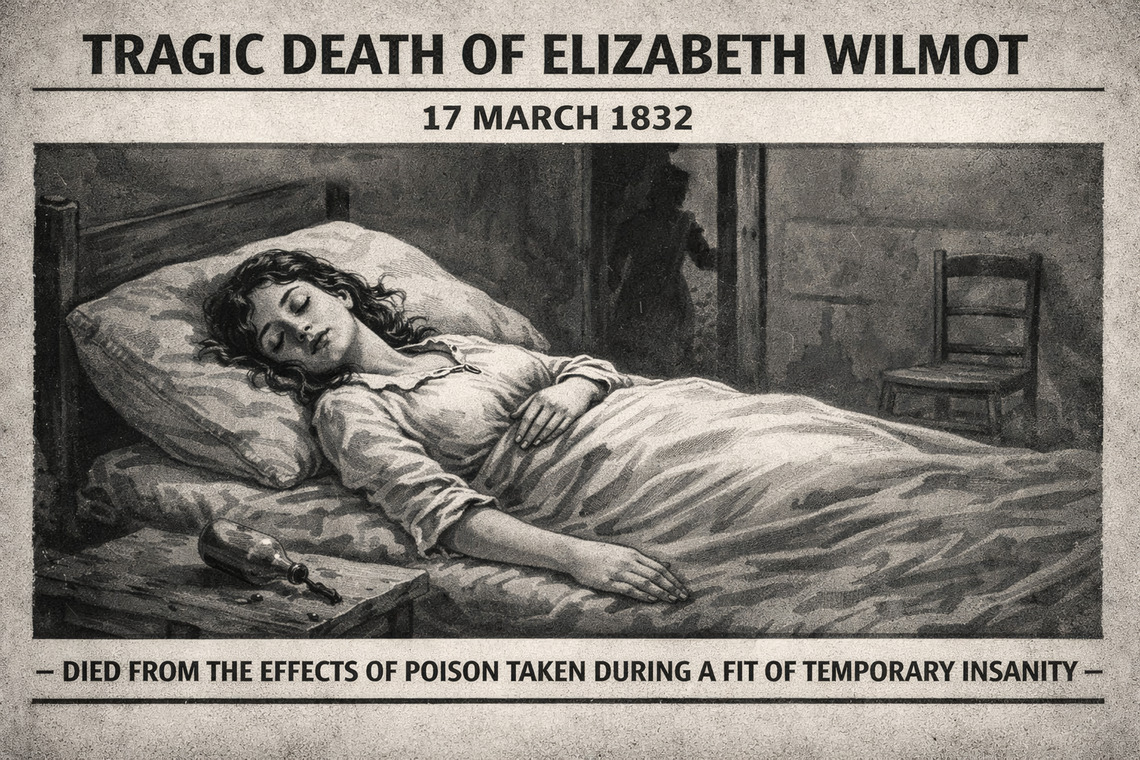
A deeply sad report in the Royal Devonport Telegraph and Plymouth Chronicle told of the inquest held at Wembury on Elizabeth Wilmot, an apprentice to Mr Simmons of Down Thomas, who died from the effects of poison. The case was heard before A. B. Bone, Esq., Coroner, and revealed a distressing picture of a young servant under severe strain.
Evidence at the inquest said that Elizabeth had seemed altered in her manner for some six or seven weeks. A few weeks before her death it had been discovered that she was pregnant, and she had briefly been sent home to her friends in Plymouth before returning. On the morning of 8 March 1832, after being chastised by her master, she was heard sobbing in her bedroom. Soon afterwards she became violently ill. Her sickness continued for several hours, and when tea was taken up to her later in the day she was found to have died.
Two fellow apprentices testified that she had more than once spoken of being tired of the world and of ending her life. A surgeon from Plymstock, Mr Jones, said a post-mortem examination showed clear signs that a mineral poison had been taken, and also found that she was carrying a child of about four or five months. The jury returned the verdict that she had died from the effects of poison taken during a fit of temporary insanity.
It is a painful early nineteenth-century glimpse of the harsh realities faced by vulnerable young women in service, where shame, fear and isolation could combine with tragic consequences.
Source: Royal Devonport Telegraph and Plymouth Chronicle, Saturday 17 March 1832.
On this day in Wembury — 17 March 1939
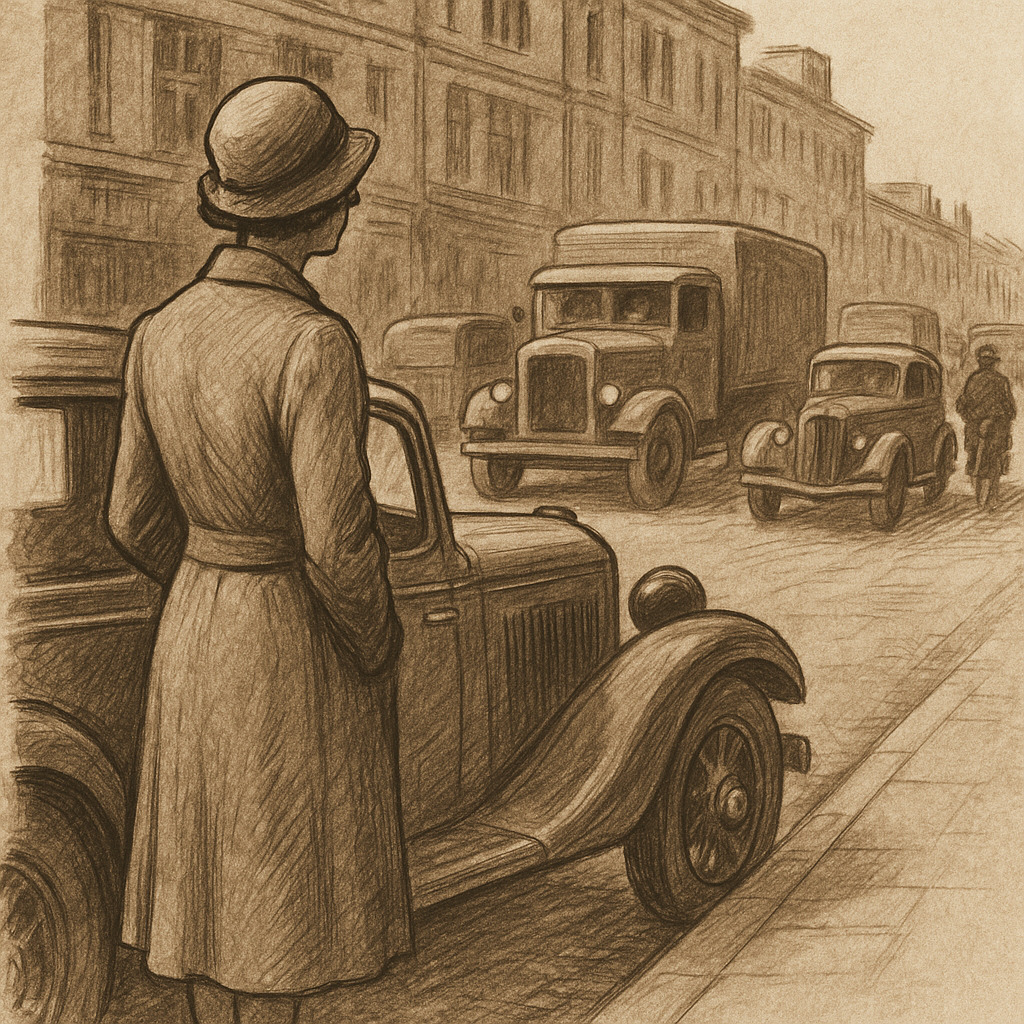
Mrs Elizabeth Audrey Hardy of Langdon Court appeared before the Plymouth magistrates charged with causing an obstruction in Russell Street with her motor car. The case was a minor one , she was fined ten shillings, but it caught the eye because Mrs Hardy was the mistress of one of South Devon’s most admired country houses. Langdon Court, near Wembury, was by then a hotel and social venue, its grand gardens and panelled rooms still recalling the days when it had been home to the Calmady family and later the Corys.
In 1939, just months before the outbreak of war, Plymouth’s city centre was already crowded with cars, carts, and delivery vans, and Russell Street was one of its busiest thoroughfares. A small parking misjudgment could easily lead to a summons. For Mrs Hardy it was a passing inconvenience, but her name in the court reports offered a reminder that even the genteel could run afoul of urban order. Within a few years, Langdon Court’s tranquillity would give way to the wartime demands of the nearby naval base, and small misdemeanours like this would seem a world away.
(Western Morning News, 18 March 1939)
Entries are summaries and interpretations of historical newspaper reports.