
The Loraine Estate (often spelt Lorraine in historical documents) is a notable social housing development in Holloway, Islington, with a history tied to the early 20th-century expansion of London’s public housing.
Origins and Construction: The estate was primarily built in 1936.
Architectural Significance:
It was designed by the architectural firm McMorran and Whitby. Donald McMorran, a prominent mid-20th-century architect, was known for blending traditional brickwork with modern functionalism. Design Details: The estate features a distinctive "buff pinkish" brick and includes architectural elements like double archways and grassed central areas. Historical Context & Local Milestones Holloway Road Development: The area surrounding the estate evolved from a "hollow" or sunken medieval highway into a major residential and commercial hub by the 1800s.
Wartime Impact:
Like much of Holloway, the area around the Loraine Estate was affected by heavy bombing during World War II due to its proximity to the King's Cross railway lines.
Community Identity:
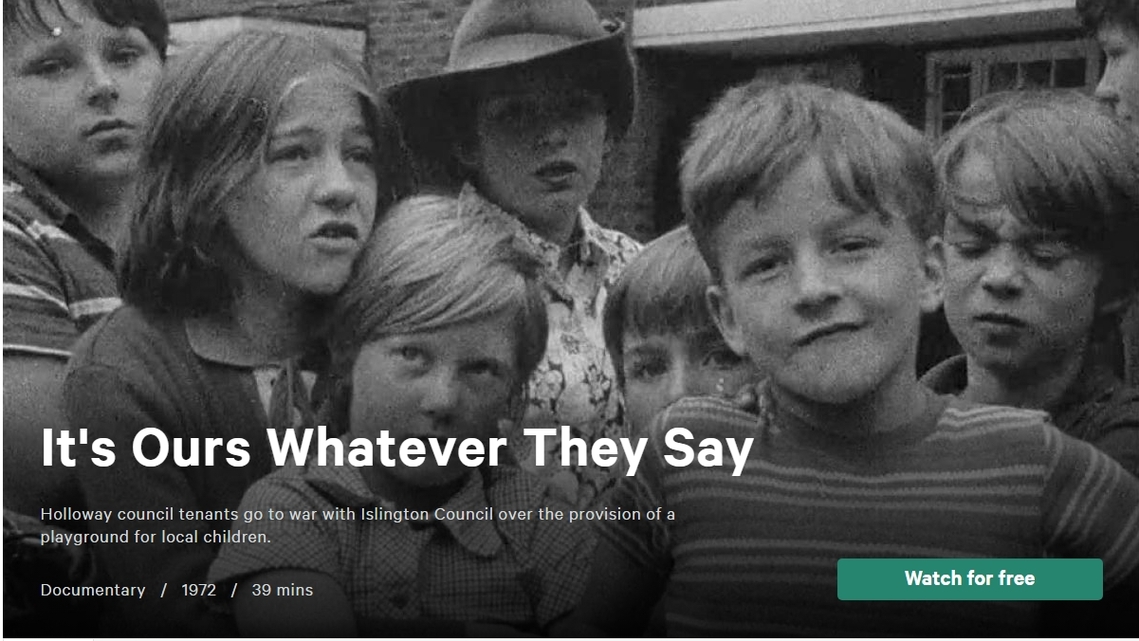
In the 1970s, the estate gained recognition for its strong resident activism. A notable incident involved local children fighting to convert a derelict timber yard into an adventure playground, an event documented in the 1972 film "It’s Ours Whatever They Say".
The Modern Estate:
Today, the estate remains a key part of the Islington Council's housing portfolio. It consists of several blocks, including Cranworth House, Chelmsford House, and McMorran House, which are named after notable architects. Recent initiatives, such as the Loraine Estate Project (2025/2026), have empowered residents to vote on how to spend community funds to improve health and wellbeing across the estate.
1: CRANWORTH HOUSE, Holloway Road (1937) Rehabilitated, 1976.
2: CAIRNS HOUSE, Loraine Estate (1937) Rebuilding, 1984. Named after a former Lord Chancellor, the 1st Earl Cairns (1819-1885).
3: BUCKMASTER HOUSE 1936.
4: LOREBURN HOUSE, Holloway Road (1936)
5: BIDDESTONE ROAD: On its site was Holloway Farm, a very large farm. First appears in the 1915 Register of Electors. The name was suggested to the LCC by the owner of some property there, John Poynder Dickson Poynder, 1st Baron Islington (created 1910) who died 6 December 1936. It is named after Biddestone, a parish and village in North Wiltshire, 4 miles west of Chippenham. Sir John was MP for Chippenham, Wilts., 1892-1910 and Hon. Colonel of the Wiltshire Yeomanry.
More on Streets with a Story, click here