As a gardening and nature group we take part in citizen science as well as encouraging links with local charities whom have the best interests for our environment and its wildlife as their focus.
We are thankful we are able to learn from these specialist and to apply what we have learnt in our green spaces.
BUMBLEBEE CONSERVATION TRUST
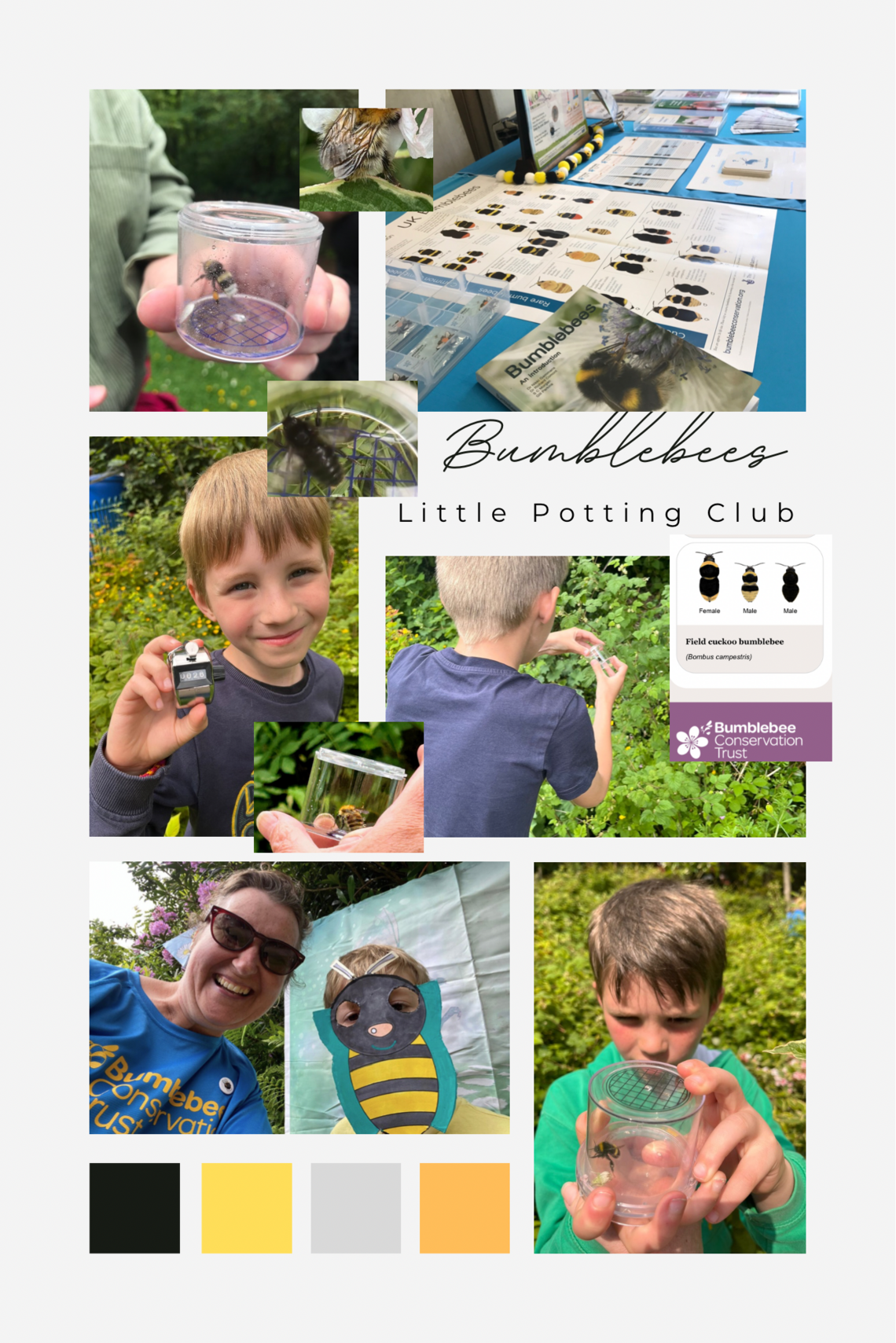
Each summer we take part in the Bumblebee Conservation Trusts bee safari. A session where we learn all about wild bumblebees, their lifecycles, nesting, the different speices and how we can support bumblebees in our own green spaces at home. We take part in this every year as it supports how we garden at the club where we are committed to planting and gardening with bumblebees at the forefront of our work. We were really excited during the summer of 2025 to have discovered a less common Field Cuckoo male. We were all so excited to have made this discovery where we take part in our clubs green space.
HEDGEHOG STREET
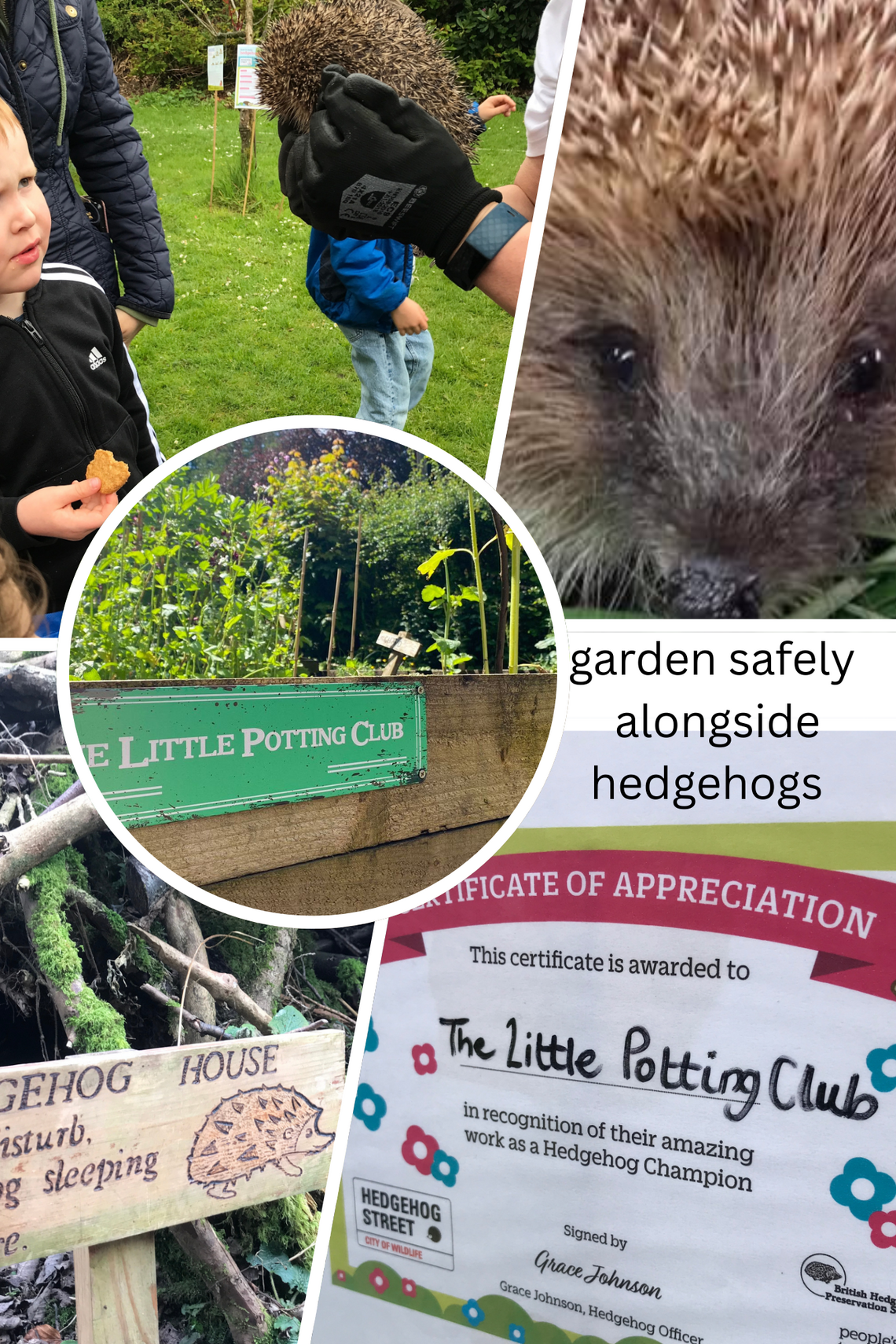
We were really proud to be awarded a certificate of appreciation by Hedgehog Street through the People's Trust for Endangered Species. The club delivered a series of sessions based on how we can garden safely alongside hedgehogs and other wildlife. Many families took what they had discovered and applied these changes in their own green spaces at home. Many placed new hedgehog highways in their garden fencing as well as leaving wild areas with added log piles to encourage wildlife into their garden. We received a special visit from our local hedgehog rescue with a hedgehog who was healthy enough to be returned to the wild. This gave the children an amazing opportunity to see a hedgehog up close. We all felt proud that we had supported hedgehogs in our gardening practices both at home and at the club.
EARTH WATCH WATER BLITZ
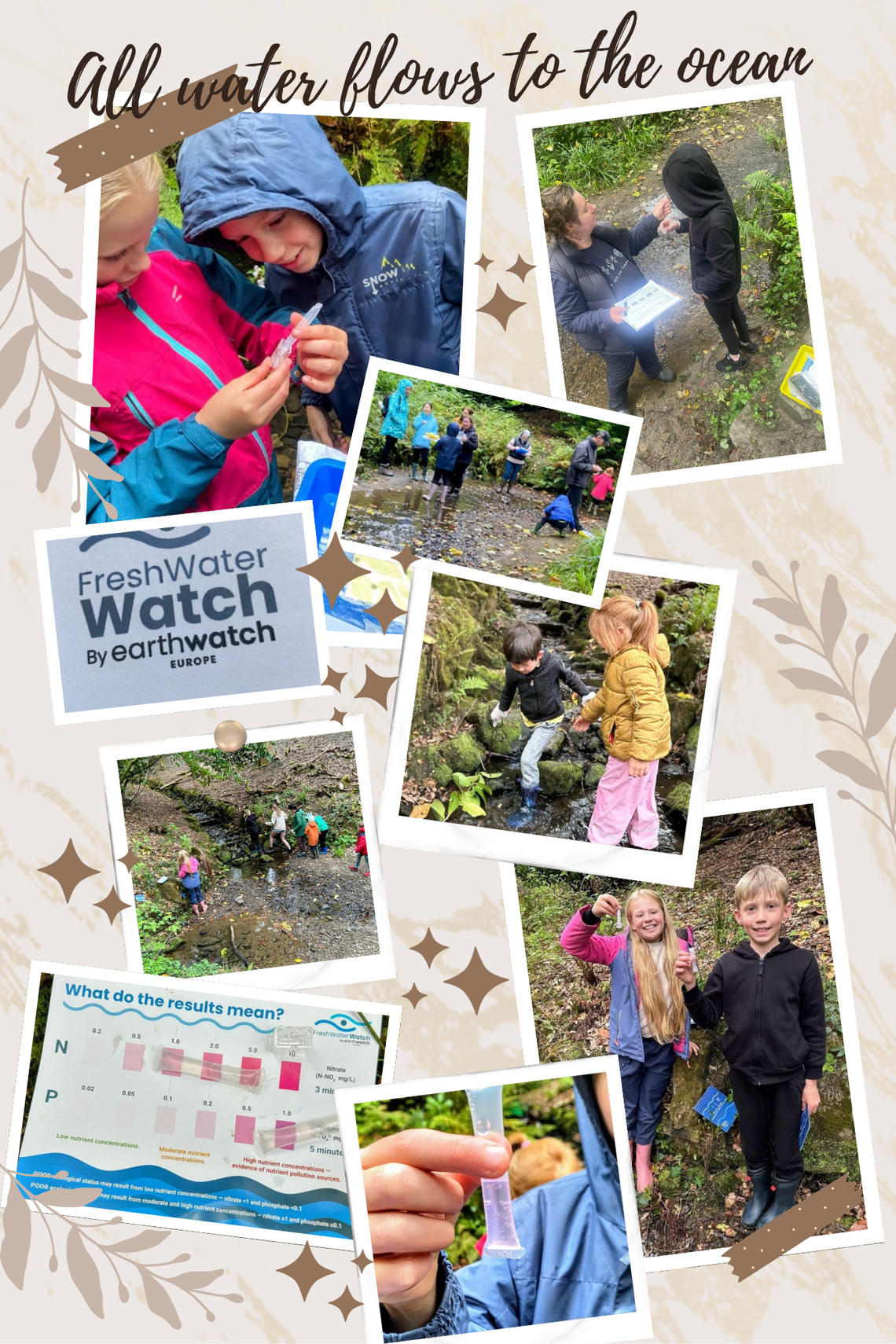
Every year we take part in a little citizen science and test the local water course as a part of the Earth Watch fresh water watch. We made links that the very small water course we often explore, runs into our local river that then joins up with the larger river, the River Ribble, and flows to the open sea. This gave us learning opportunites where we make links to how we can support keeping our rivers healthy and ultimately our oceans.
RIBBLE RIVERS TRUST
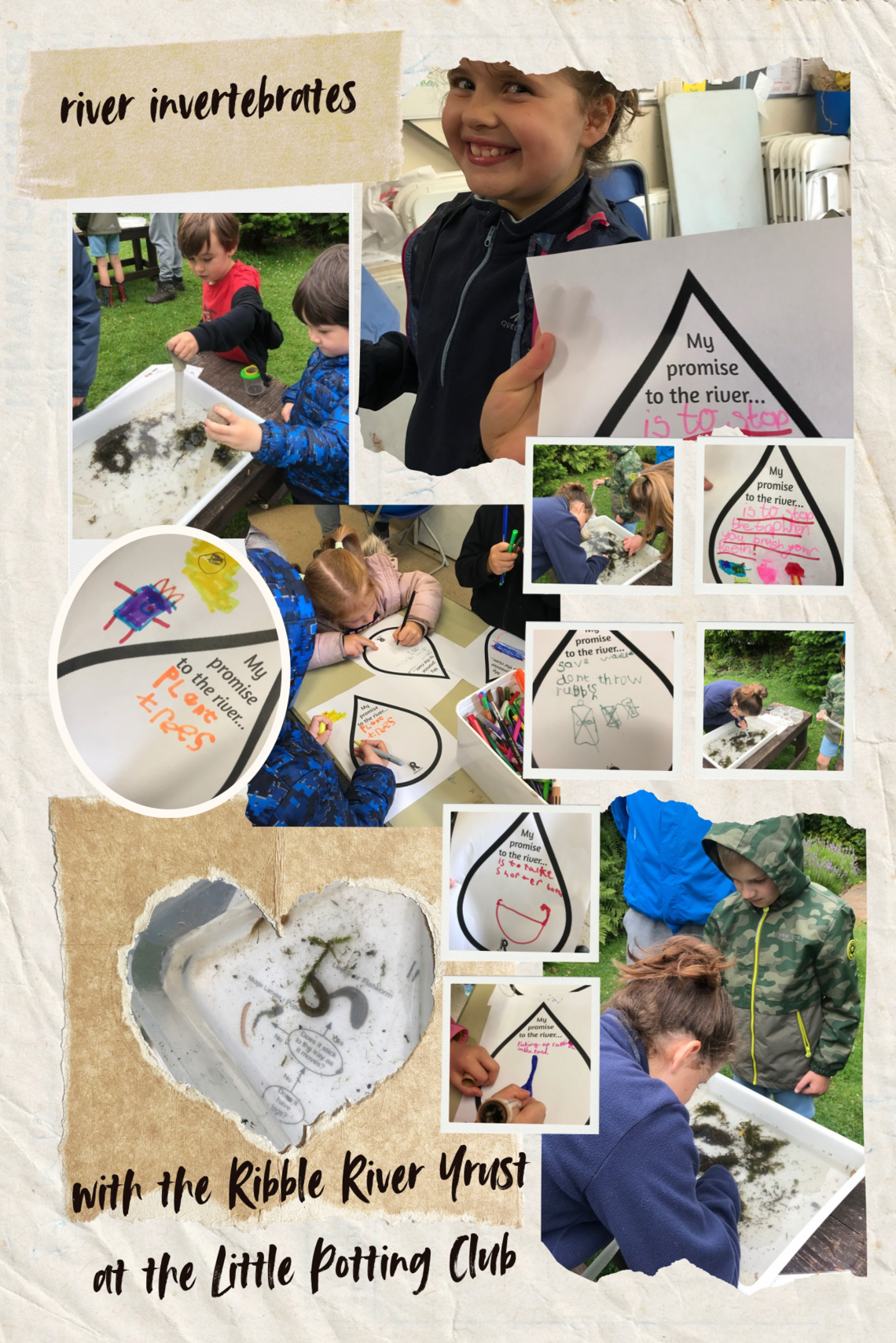
Making further links to river health we were very pleased to have a session delivered by the our local river charity the Ribble Rivers Trust. Here we had an amazing opportunity to observe water invertebrates. We learnt about their role in rivers and how they can be a good indicator of healthy water ways. We shared how we can support our rivers through the choices we make such as taking our litter back home to dispose of responsiblty for example. We created our very own promise to the rivers as a part of this session.
UNIVERSITY OF SUSSEX BUZZ CLUB
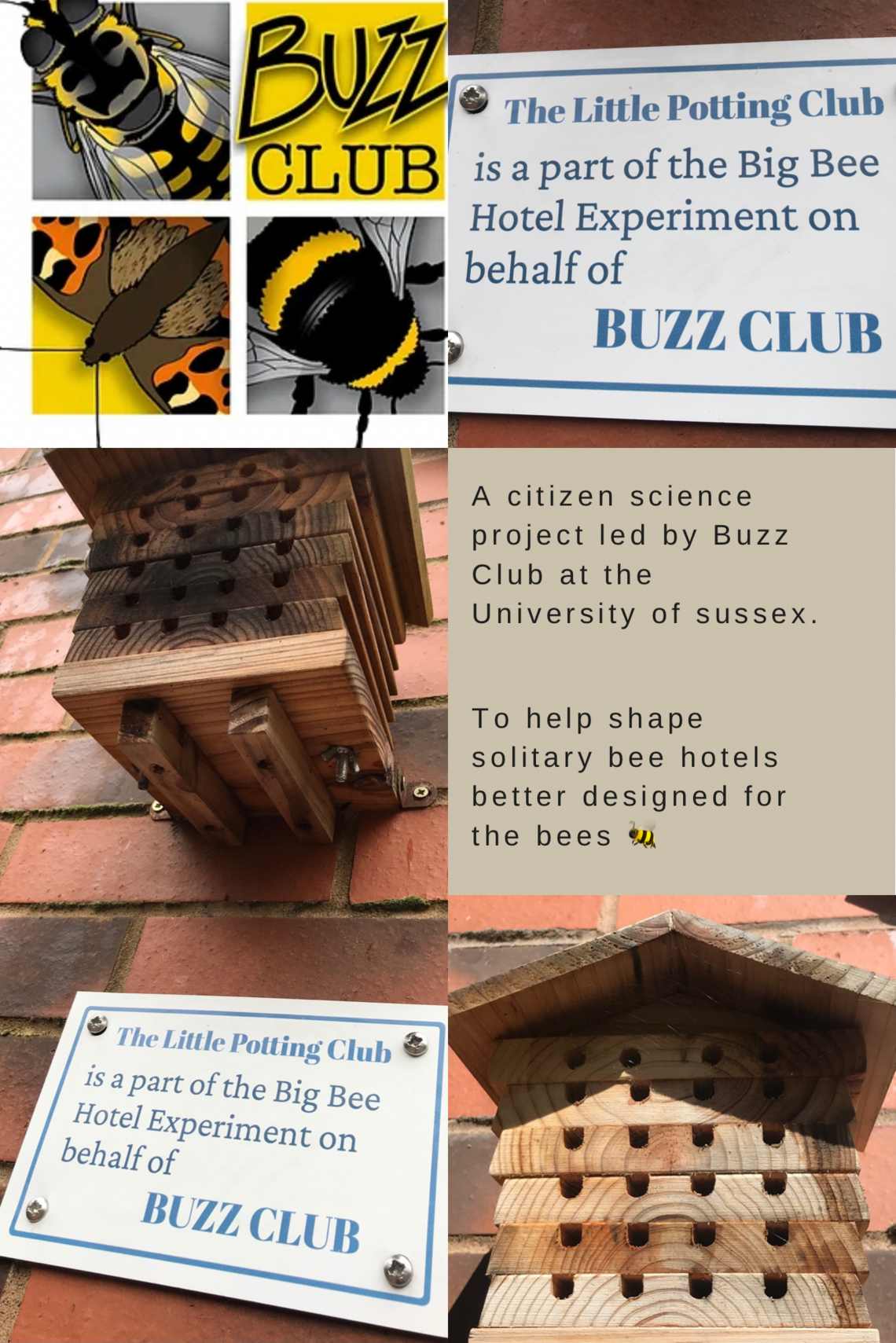
After learning so much about bumblees through the Bumblebee Conservation Trust, we wanted to help support other bees such as solitary bees. We had created our own solitary bee hotels and learnt we could take part in testing bee hotels via the Buzz Club run by the University of Sussex. We were required to take a photo of the bee hotel once a month to send to the university as a part of their project, in observing which bee hotels are prefered by different solitary bees. This gave us the opportunity to learn about a variety of solitary bee species.
Hymalayan Balsam
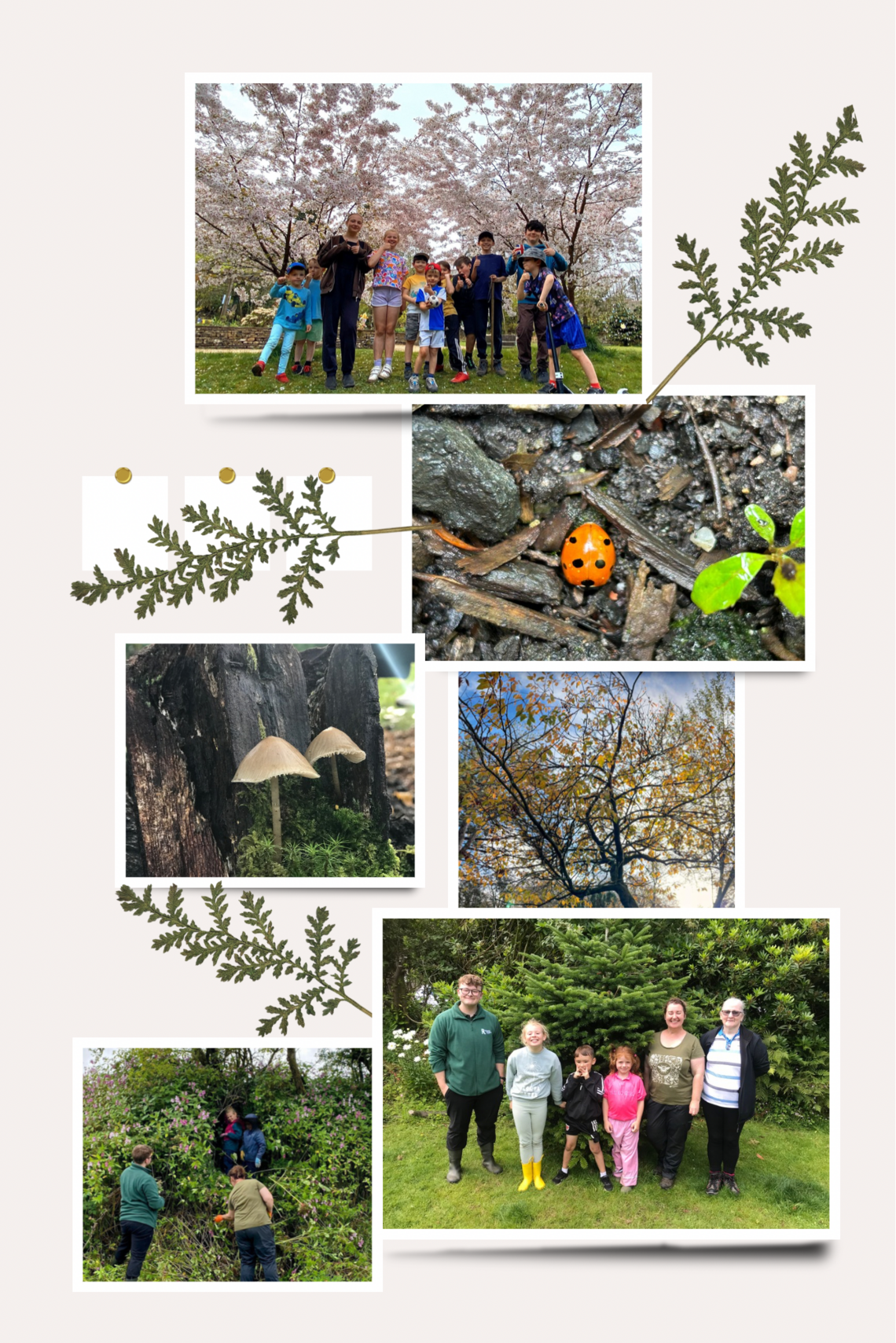
As the Little Potting Club runs in a public park we often support the wider park by planting new trees and flowering bulbs. We also support the parks green spaces through the removal of invasive plant species. We replace what we have removed with native seed to encourage regrowth. Opening up areas to encourage native species helps best support insect biodiversity. One year the Ribble Rivers Trust supported our work in this by attending with an educational session on the impact this invasive species has on our local water ways and rivers.
Ribble Rivers Trust Bat session
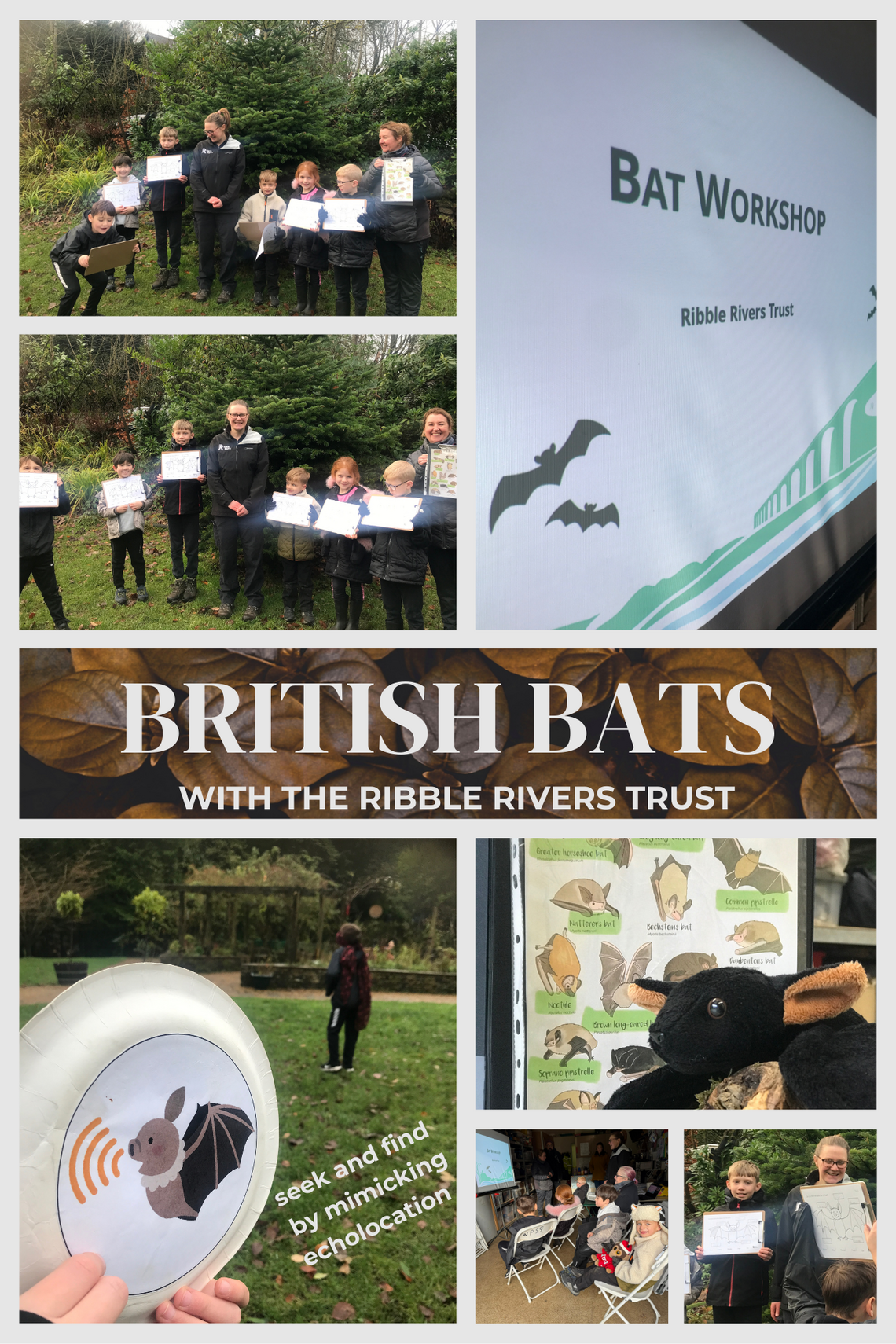
The Ribble Rivers Trust returned with another educational session on British Bats. We were excited to learn about bats their feeding habits, different species, where and how they live and the way they use sound to echolocate. We run our sessions in a public park and we were excited to share with the Ribble Rivers Trust that the park is home to several bat species such as the Daubenton and the Common Piperstelle. We had the opportunity to hear recorded bat calls from various species. Taking part in an echolocation game was really fun and it presented an excellent example on how bats use sound to locate their food. We proudly realised that we support bats very well within our club and made connections to how healthy rivers support local bat populations.
The Little Potting Club would like to express a huge thank you to all the local groups and charities who support our clubs efforts in nature conservation and education.
Thank you for browsing this page.
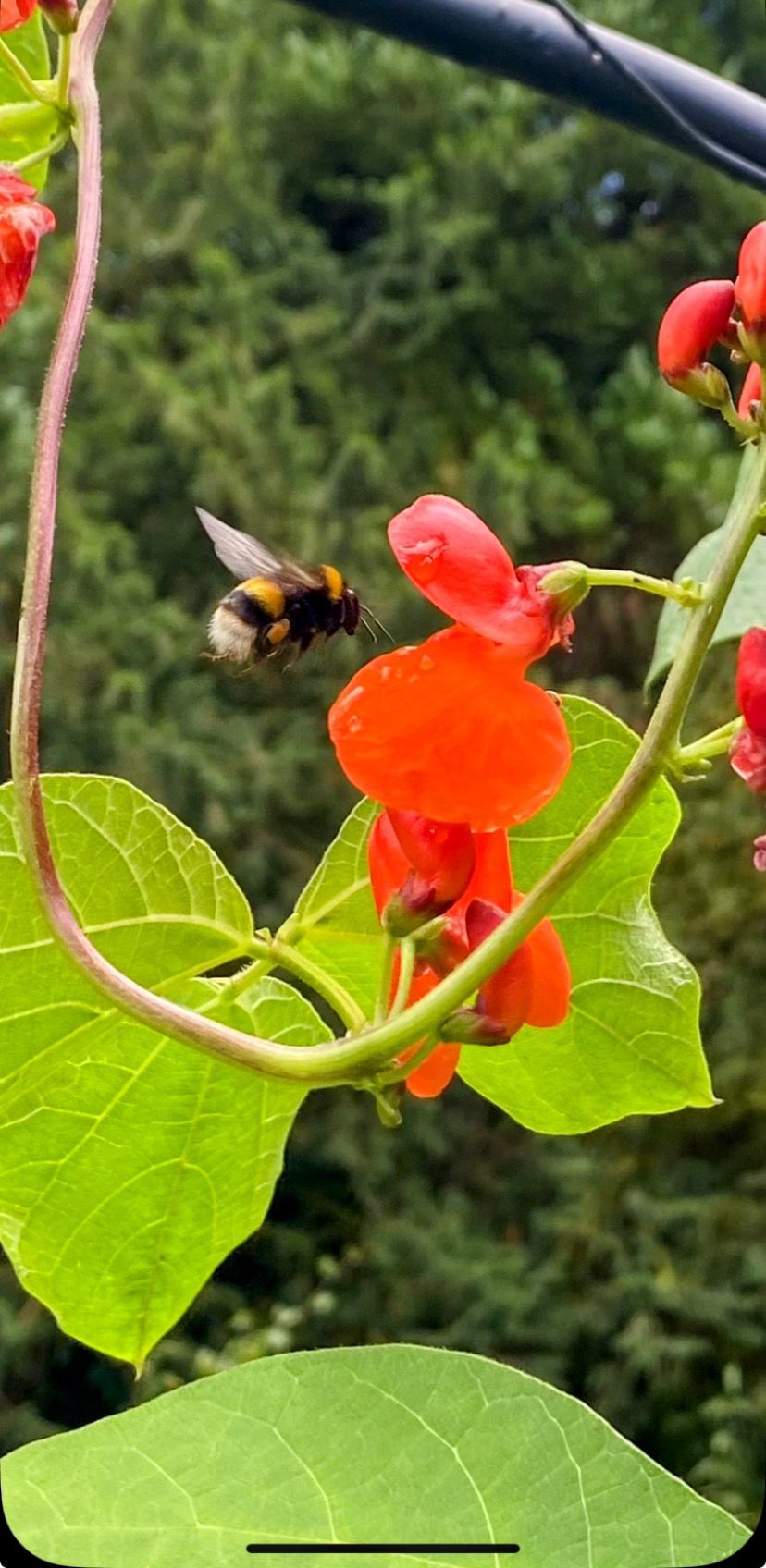
A whitetailed bumblebee approching runner bean flowers we grow at the club.