On This Day in Wembury — 24 August 1911
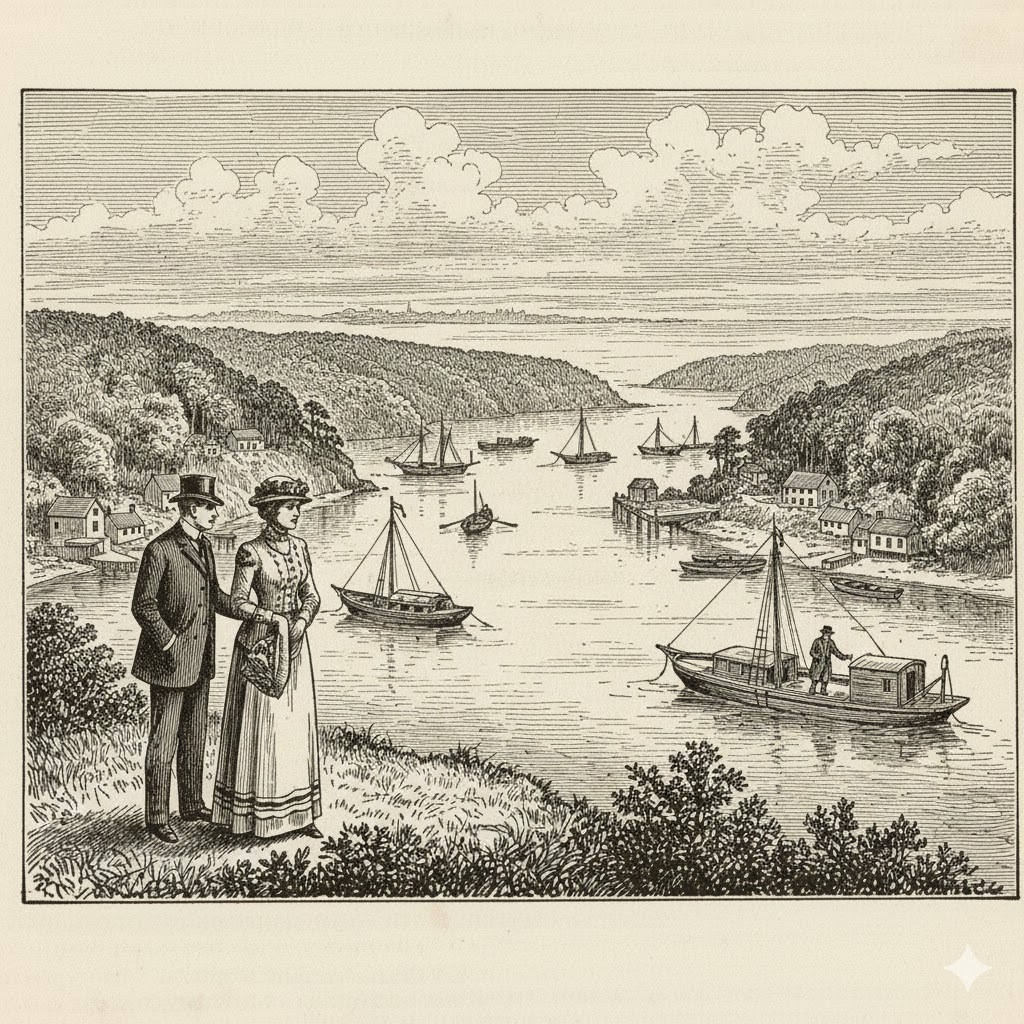
The Pall Mall Gazette painted a vivid picture of the River Yealm and Wembury coast after the arrest of an alleged foreign spy living aboard a houseboat there. While the case drew headlines, the paper noted that the estuary’s quiet beauty had long attracted holidaymakers seeking peace. From Wembury’s cliffs, the entrance to Plymouth Sound lay open to view, and from Staddiscombe one could see the whole sweep of the city and its defences. The article praised the Yealm as perhaps Devon’s loveliest river, with wooded slopes, creeks, and villages like Newton Ferrers and Noss Mayo looking out across sheltered waters where yachts and houseboats lay moored.
The writer added a gentle reflection that in times of tension the same secluded beauty spots that inspire leisure and poetry might also draw suspicion, as the line between a quiet holidaymaker and a watchful stranger could blur all too easily.
Funny thing, the Gazette was half swooning over the scenery and half warning about spies with binoculars. That’s Devon all over: the same estuary can be both a postcard and a potential lookout post. Makes you think how easily beauty and suspicion can sit side by side.
Source: Pall Mall Gazette, 24 Aug 1911
Bungalow Ablaze While Owner Slept Nearby
Reported in the Western Morning News, 24 August 1949
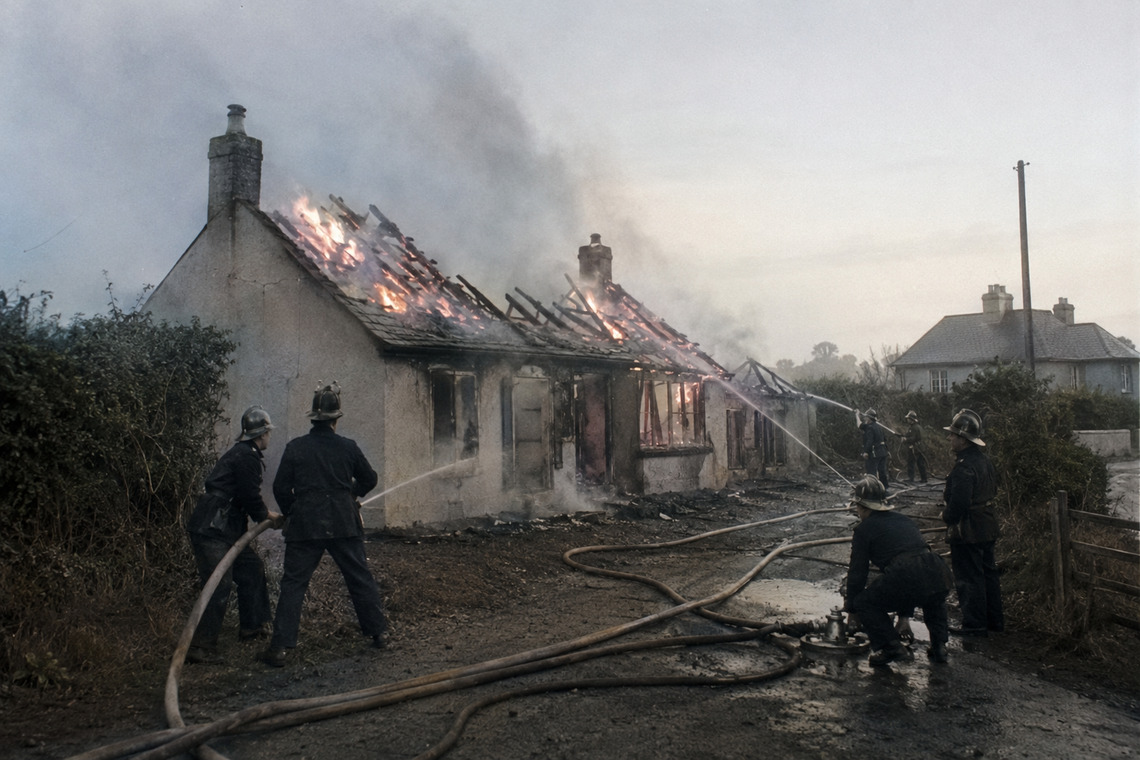
In the early hours of 23 August 1949, fire destroyed the Wembury bungalow belonging to Mrs F. Milden of 14 Cross Park.
By a fortunate chance, Mrs Milden was not sleeping at home that night. She was staying with a relative who lived nearby and remained peacefully asleep while her bungalow burned.
The alarm was apparently not raised until the flames had already reached the roof. Fire crews hurried from both Plymstock and Plymouth, but by the time they arrived there was little hope of saving the building.
The newspaper reported that the firemen “stuck grimly to their task for two hours,” eventually extinguishing the blaze. By then, however, only the scorched shell of the bungalow remained.
The cause of the fire was not mentioned.
Reflection
This small report captures how vulnerable rural homes could be in the years before smoke alarms, telephones in every house and a fire station close at hand. A blaze might take hold unnoticed during the night, leaving crews travelling from Plymouth with little chance of reaching it in time.
For Mrs Milden, the loss of her home and possessions must have been devastating. Yet the detail that she slept safely in another house nearby gives the story its remarkable twist: a simple decision to stay with a relative may well have saved her life.
The accompanying image is a historically informed reconstruction rather than a photograph of the actual fire.