On This Day in Wembury – 18 August 1875

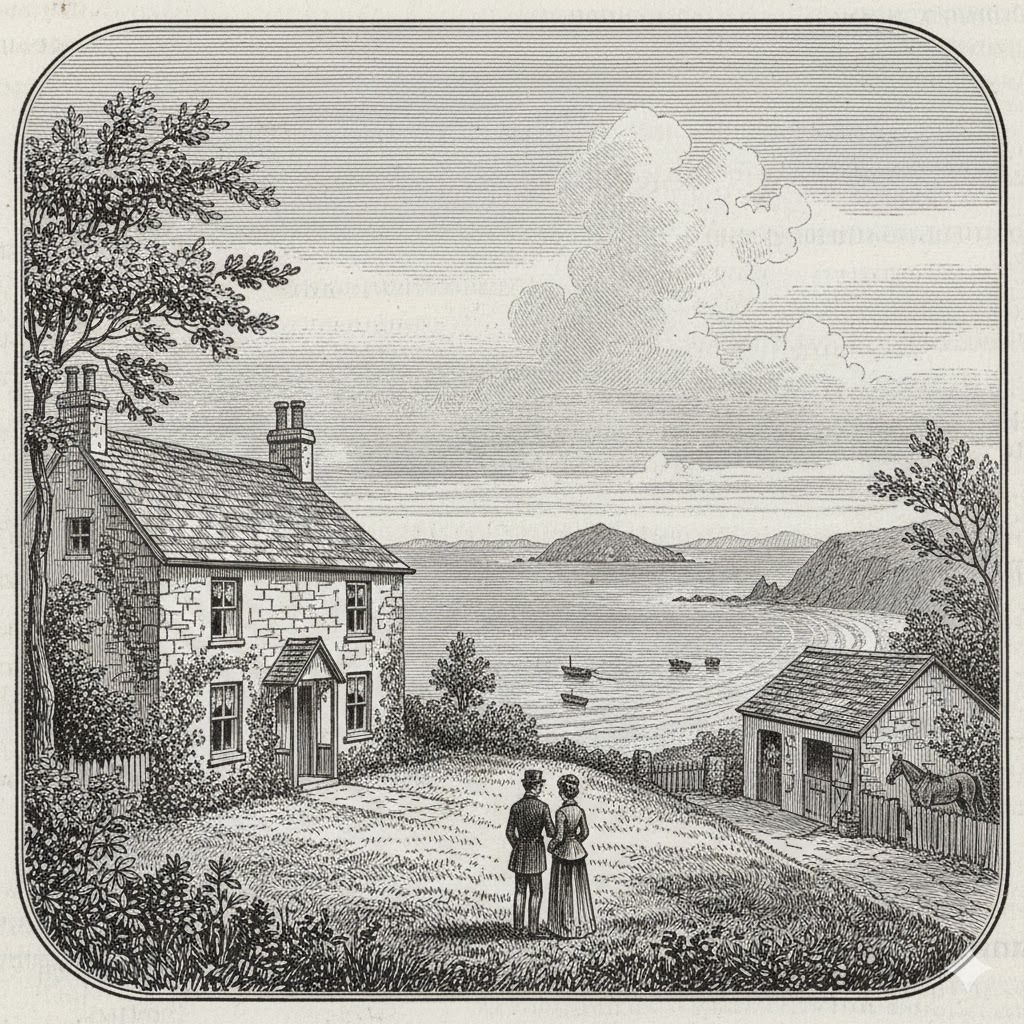
An advertisement in the Western Morning News offered Wembury Bay Cottage to let, furnished. The property, only a few minutes’ walk from Wembury Park and close to the coves, included a dining room and a stable with two stalls.

The notice illustrates how by the 1870s, parts of Wembury’s coastline were already being marketed as desirable retreats, with cottages promoted for their proximity to the sea and leisure appeal, foreshadowing the village’s later growth as a residential and holiday destination.

Source: Western Morning News, 18 Aug 1875.
08-18.jpg

On this day in Wembury — 18 August 1941

The Western Morning News reported a remarkable wartime ceremony at St Werburgh’s Church, Wembury, where a flag of Australia was formally presented to the parish. The service, conducted with both military and civilian attendance, symbolised a powerful bond between Devon and Australia, united through one of Wembury’s most distinguished sons — Major Edmund Lockyer.

In a service attended by members of the Royal Navy, Army, and Royal Air Force, Flight Lieutenant Strudwick of Sydney presented the Australian flag on behalf of the Government of Western Australia, to commemorate Major Lockyer’s historic act of raising the Union Jack at King George Sound on 21 January 1827, thereby claiming the entire Australian continent for the British Crown.

The flag was received by Reverend C. H. D. Grimes, then conducting his final service in Wembury before leaving to become vicar of Newton Ferrers. He paid tribute to Lockyer, who had been born at Wembury House, son of Thomas Lockyer, former Mayor of Plymouth. Rev. Grimes reflected that Lockyer’s venture from Devon to the far side of the world echoed the spirit of Drake, Raleigh, Frobisher, and Hawkins, all sons of the West Country whose courage shaped England’s seafaring destiny.

During the service, lessons were read by officers from the Army and Royal Navy, and a Royal Marines band led the congregation in hymns including Eternal Father, Strong to Save and Onward, Christian Soldiers. Prayers were offered for the King, Allied leaders, and the wartime cause.

The Australian flag was left to hang permanently within the church as a memorial to Major Lockyer — explorer, founder of the first British settlement in Western Australia, and enduring symbol of Wembury’s global legacy.

(Source: Western Morning News, 18 August 1941 — “Presentation of Flag: Australian Gift to Wembury.”)


📰 ON THIS DAY — 18 AUGUST 1942

WENT ON HIS HOLIDAY

A wartime court report in the Western Morning News told the story of Ernest Bickford, a 24-year-old joiner from Cross Park, Wembury, who took his holiday despite being ordered to remain at work.

Bickford had asked for leave because he had already arranged a trip, but his employer refused. Urgent wartime orders meant holidays had been postponed until important work was completed.

He nevertheless travelled to Weymouth, where he stayed with friends before returning to work. The court heard that he had been working seven days a week, sometimes until 9pm, and believed he deserved a week’s holiday.

However, his employment was governed by the Essential Work Order. At Plympton, he was fined £30 and ordered to pay three guineas in costs—with one month’s imprisonment as the alternative.

The chairman told him that he had taken matters into his own hands and appeared to have forgotten that “there was a war on.”

A striking glimpse of the restrictions, pressures and personal frustrations experienced by ordinary working people during the Second World War.


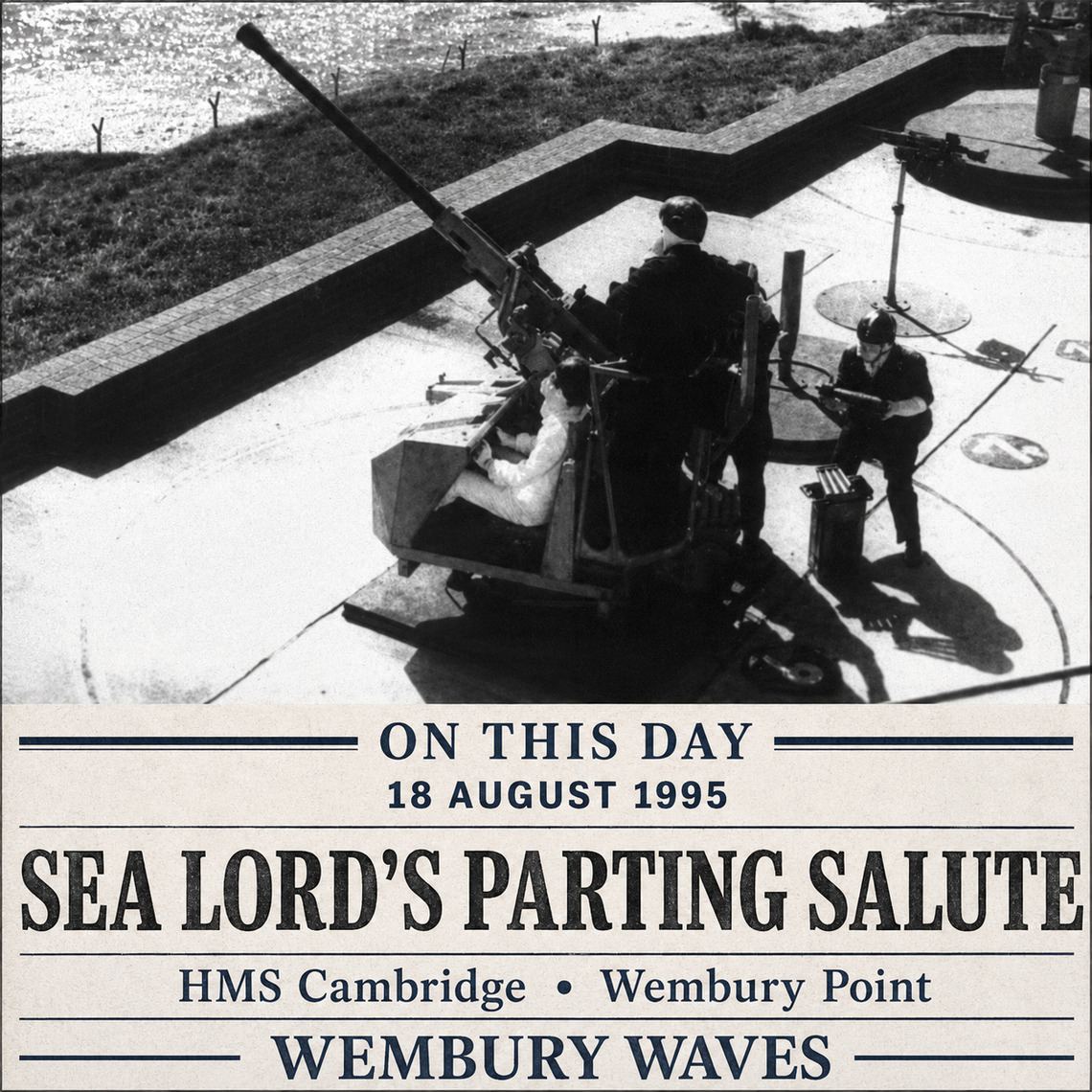
⚓ ON THIS DAY — 18 AUGUST 1995

SEA LORD FIRES OFF PARTING SHOTS

Admiral Sir Michael Boyce, then Second Sea Lord and Commander-in-Chief Naval Home Command, marked a memorable moment at HMS Cambridge near Wembury Point.

During his visit, Admiral Boyce fired the final rounds from the training establishment’s 40 mm Bofors gun—producing what the original newspaper report described as “a huge response.”

The weapon was being withdrawn from the shore-based school because it had become more cost-effective to send instructors directly to the patrol ships that still carried this type of gun.

It was a suitably thunderous farewell to a familiar piece of equipment at the Royal Navy’s former gunnery school—and another fascinating chapter from Wembury’s rich naval history.


18thaug1995im.jpg
 
Curated and written by Wembury Waves using material from the British Newspaper Archive.
Entries are summaries and interpretations of historical newspaper reports.