On this day in Wembury — 8 April 1849
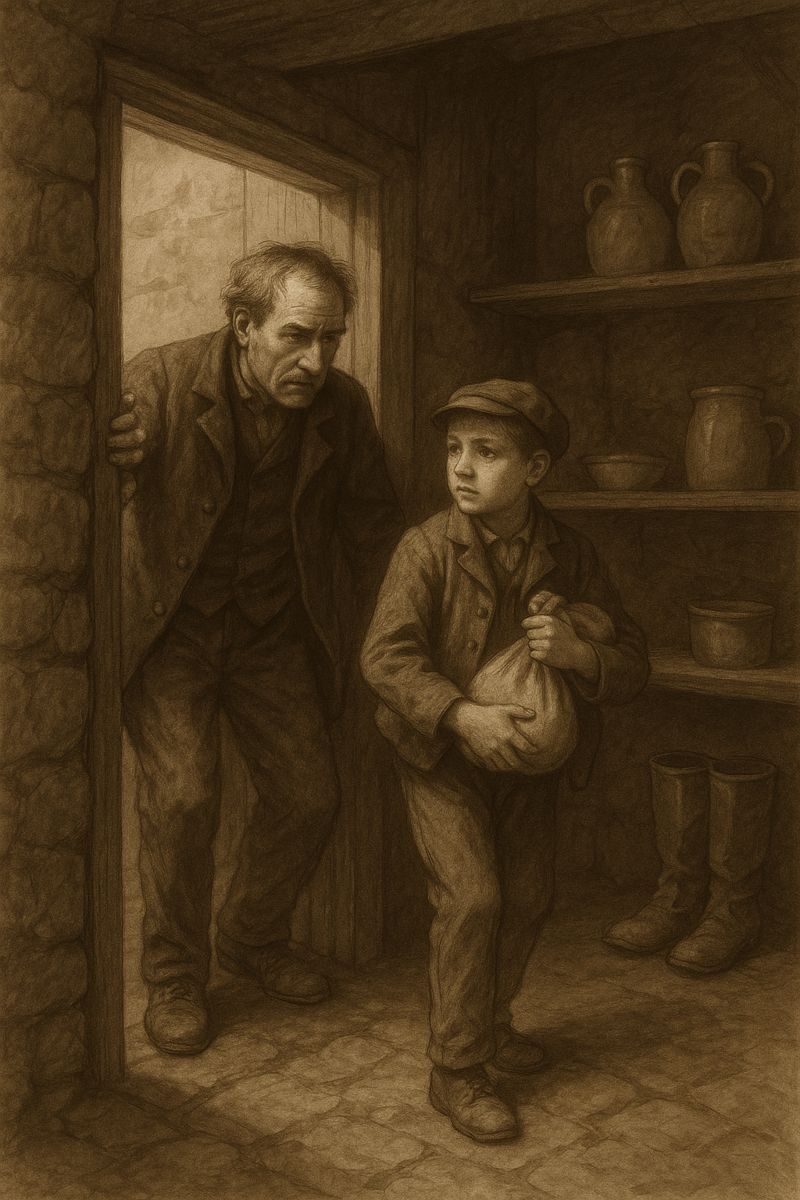
According to the Western Courier, West of England Conservative, Plymouth and Devonport Advertiser (26 July 1849), John Russell, 36 and his son Charles Russell, aged 14, were charged with breaking into the dairy within the curtilage of the dwelling house of Thomas Pope of Wembury on 8 April 1849, stealing a ham of pork and a bladder of lard worth 15 shillings. A second charge alleged that they broke into the milkhouse and stole a Macintosh coat and a pair of boots belonging to Henry Harris, a servant of Mr Pope’s.
The prosecution was led by Mr Wise and the defence by Mr Byrd. In opening the case, Wise remarked on the painful nature of the charge, given the relationship of father and son, and the fact that the boy must have been used to squeeze through a small aperture that only a child could manage. The evidence was deemed conclusive against the elder Russell, while the younger was acquitted. It was also shown that John Russell had a prior conviction at Bridgwater for stealing wheat, for which he had served two months. This time he was sentenced to 14 years’ transportation.
The “dwelling house of Thomas Pope” was not Wembury House. Census records show that Thomas Pope, farmer, was resident at Langdon Barton Farm during the 1840s–50s, employing labourers and servants. The presence of a live-in servant (Henry Harris) aligns with this, confirming that the burglary took place at Langdon Barton, a major farmstead in Wembury parish, rather than the gentry seat of Wembury House.
The punishment was severe by modern standards, but in 1849 the courts still relied on transportation to Australia as a way of dealing with repeat property offenders. A theft valued at only 15 shillings could tear a family apart: the father exiled half a world away, the mother and children left to fend for themselves in rural Devon with little support. That Charles was acquitted may have spared him from being drawn into the penal system at such a young age, but the stigma of the trial and the loss of his father would have weighed heavily on the household.
(Source: Western Courier, West of England Conservative, Plymouth and Devonport Advertiser, 26 July 1849; 1851 census, Wembury parish — Thomas Pope, farmer, at Langdon Barton.)