
On This Day — 14 February 1827
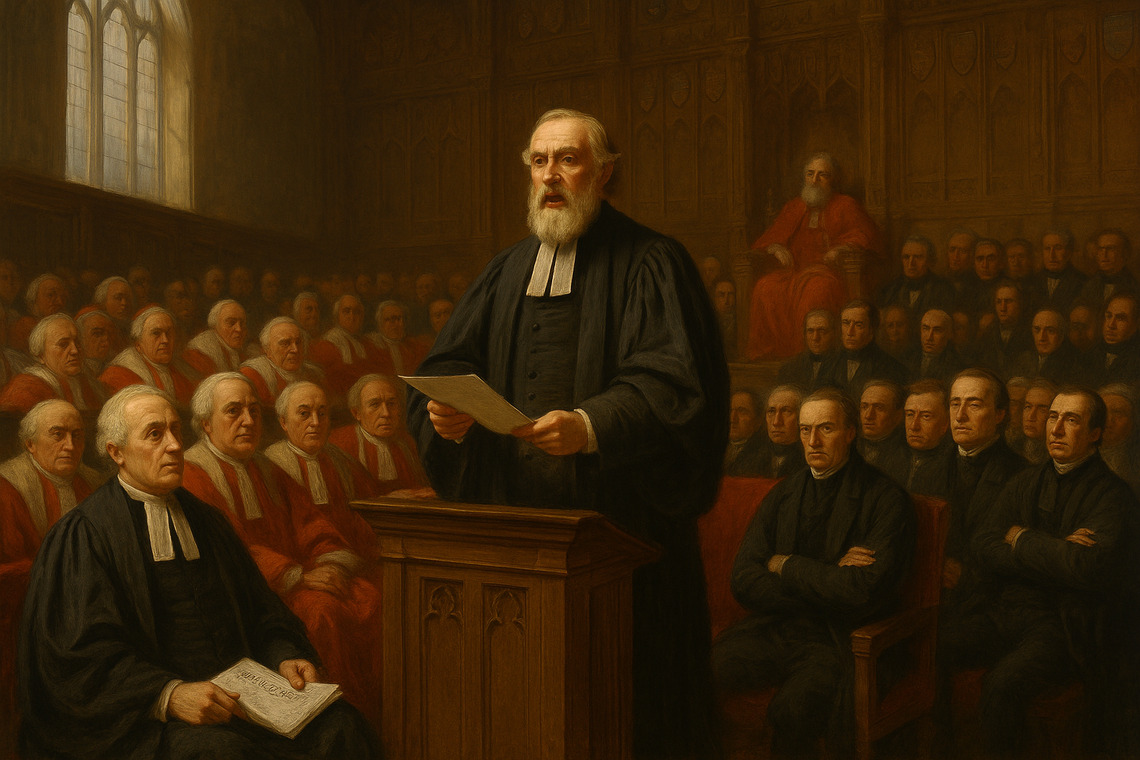
In the House of Lords, the Bishop of Exeter presented a petition from the parish of Wembury, alongside one from Plympton Maurice, opposing any further concessions to Roman Catholics. This was part of a wave of “anti-Catholic petitions” read that day, as Parliament debated the Corn Laws and the growing pressure for Catholic Emancipation.
The petitions reflected deep anxieties in rural Devon parishes like Wembury. The established Anglican Church still dominated village life, and concessions to Catholics were seen by many as threatening social and religious order. Just three years later, in 1829, Catholic Emancipation would finally be passed — allowing Catholics to sit in Parliament — but not without fierce resistance from local voices such as those recorded here.
Source: Sussex Advertiser, 19 February 1827 (reporting on Lords proceedings of 14 February).
The fact that Wembury villagers formally aligned themselves with this movement reminds us that national debates always filtered down to parish level. In the Wembury archive we see petitions, protests, and later, parish council minutes all showing a community that did not remain passive. From fears over Admiralty expansion in 1950, to railway hopes in 1871, to Corn Law and religious disputes in 1827, Wembury has often found itself drawn into questions far bigger than the parish boundary.
Entries are summaries and interpretations of historical newspaper reports.